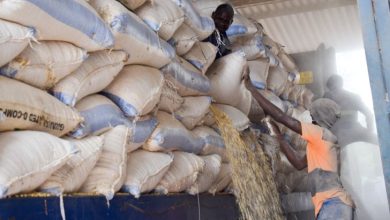
The Farm Inputs Subsidy Programme (Fisp) has once again come under scrutiny as persistent delays in inputs distribution leave thousands of farmers stranded at the peak of the planting season.
With the national redemption rate for fertiliser standing at just 47 percent, according to a recent disclosure by Minister of Agriculture and Food Security Roza Mbilizi, agriculture experts warn that operational failures in the programme could significantly undermine maize production and worsen hunger and poverty levels across the country.

Farmers Union of Malawi (FUM) chief executive officer Jacob Nyirongo said in an interview on Wednesday while targeted subsidies remain critical, especially amid rising input prices, the current implementation of Fisp is failing farmers.
“The subsidy itself is not the problem,” he said; “The challenge lies in how it is being implemented. Chronic delays, late delivery of inputs, flawed beneficiary targeting and corruption have continued to undermine the programme.”
Nyirongo pointed to the low redemption rate as clear evidence of systemic weaknesses, noting that in some districts, maize has already passed the optimal window for basal fertiliser application while in others such as Kasungu application is still viable.
“This uneven situation shows the need for better coordination and synchronised delivery that takes into account regional differences. Without timely access to inputs, productivity inevitably drops, and that directly feeds into hunger,” said the FUM head.
He stressed that fighting hunger in Malawi requires more than subsidies alone, calling for a holistic and long-term approach to agricultural development.
“Strengthening extension services, improving access to affordable certified seed, ensuring timely availability of inputs, promoting soil health and sustainable farming practices are all critical if Malawi is to beat hunger,” Nyirongo said.
Weighing in on the matter in a separate interview, agriculture policy expert Tamani Nkhono-Mvula shared similar concerns, describing the Fisp challenges as a recurring problem rooted in poor planning.
“We always wait for the rains to come and then start panicking. If the programme only starts when the rains have begun, it becomes very difficult to fix problems,” he said.
Nkhono-Mvula argued that logistical preparations should be completed months in advance, with distribution beginning well before the rainy season to allow authorities to identify and resolve bottlenecks early.
He also questioned the transition from the Affordable Inputs Programme (AIP) back to Fisp, asking whether the shift involved genuine reform or was merely a rebranding exercise.
“We hear about system failures, but which systems are failing? What exactly changed?” he asked, noting that Fisp previously relied on coupon-based smart subsidies, while AIP used electronic identification systems.
Meanwhile, Mbilizi on Tuesday visited farmers in rural Lilongwe where she witnessed some of the challenges beneficiaries face in redeeming inputs.
Despite the setbacks, she expressed optimism the country would be food-secure after the current growing season, citing improved maize market trends.
“With Fisp, we expect more maize in the country, which should bring prices down. At this time last year, a bag of maize was selling at around K110 000. As we speak, it is selling at about K50 000,” she said.
The minister also interacted with beneficiaries of a $3 million emergency Fisp component funded by the International Fund for Agricultural Development through the Sustainable Agriculture Production Programme.
The Response to Emergencies and Disasters initiative was activated after Malawi declared a food security crisis for the 2025–2026 agricultural season.
Under the programme, about 2 200 metric tonnes (MT) of fertiliser, comprising 1 100MT each of NPK and Urea, were procured, along with maize seed worth approximately $22 000.
Sapp II executive director Rex Baluwa said the intervention is supporting around 22 000 farmers, including 17 950 in Lilongwe and 4 050 in Balaka.
“Each beneficiary receives two bags of fertiliser and a 5 kilogramme [kg] bag of maize seed,” Baluwa said. “The seed is provided free of charge, while fertiliser is redeemed at the government-set price of K10 000.”
He reported that nearly all targeted beneficiaries in Balaka have received their inputs, while about 80 percent in Lilongwe have been reached, translating to an 85 percent redemption rate in the two districts, well above the national average of 47 percent.
For Nyirongo, such targeted and well-coordinated interventions demonstrate what is possible if transparency, timeliness and accountability are prioritised.
“If Malawi is serious about ending hunger, then fixing how Fisp operates must be a starting point,” he said.