Malawi’s wildlife is surging and conservationists use contraceptive jabs to keep predators under control, but illegal mining threatens animal sanctuaries from the largest to the smallest.
The paradox epitomised the Department of Parks and Wildlife leadership’s submissions to the Parliamentary Committee on Natural Resources, Energy and Climate Change last week.
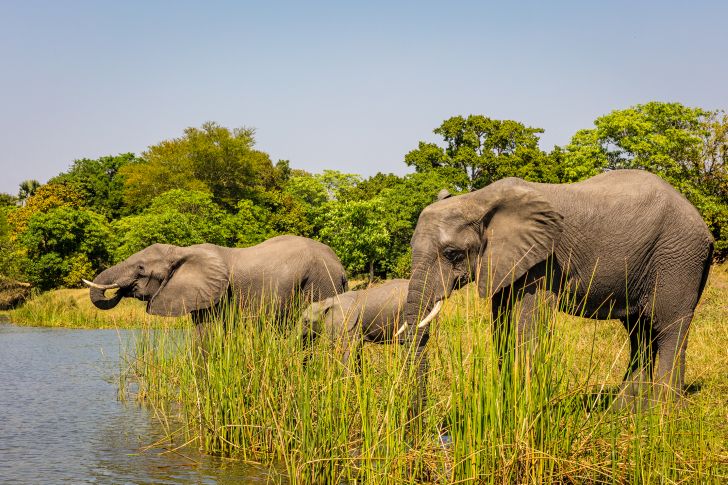
According to the Department of National Parks and Wildlife (DPNW), wild animals roam about 11.6 percent of Malawi’s total land size.
However, DNPW director of research William Mgoola says the land reserved for wildlife conservation has come under siege from unregulated gold panning.
He told the lawmakers that game rangers have detected the highest illegal mining activity in the newly replenished Nkhotakota Wildlife Reserve, the oldest and largest of its kind in the country.
According to Mgoola, the trail of destruction extends to the smallest wildlife reserve, Mwabvi in Nsanje District, and Nyika, the largest national park, located in Rumphi along the border with Zambia.
The gold rush poses a new threat to wildlife sanctuaries rising from menacing poaching and shrinking land size due to population pressure.
Just about two decades ago, poachers depleted essential animals that attract tourists in all five national parks and four wildlife reserves nationwide, but replenishments by partners such as African Parks are paying dividends.
DNPW says the country’s elephants have rebounded from 1 419 to 2 400 since 2015, thanks to the restocking of Nkhotakota and Majete wildlife reserves managed by African Parks.
Liwonde National Park in Machinga and Majete in Chikwawa boast 1 993 black rhinos, an endangered species declared extinct in 1992.
There are similar increases among buffaloes and lions.
Since 2022, African Parks has been administering contraception to some lionesses to control the big cat’s population, estimated at 100 since the translocation of three to Majete, ending their 30-year absence.
The country’s wildlife wealth includes 36 cheetahs and 29 wild dogs, commonly called mimbulu, according to Mgoola.
He states: “The country is a big 5 destination and any tourist will see them.
“However, poaching is still a challenge despite significant strides. We need to strengthen law enforcement and border controls.
“We are also grappling with encroachment and land claims in protected areas. Additionally, illegal mining is an emerging threat, especially ongoing gold mining in Nkhotakota Wildlife Reserve. Currently, this threat is rising in Nyika and Mwabvi.”
The conservation areas were bypassed by Operation Samala Mgodi launched by the Malawi Defence Forces (MDF), the Police and other government agents to safeguard the country’s mineral wealth and sovereignty.
The operation guided by MDF soldiers led to the arrest of 400 illegal miners in seven hotspots. The detainees included two Chinese men caught with a truckload of gerena rocks used for manufacturing explosives.
Lilongwe Ngwenya parliamentarian Nancy Tembo asked the wildlife protectors to collaborate with other State agencies to combat the gold rush in protected areas.
“On illegal mining in conservation areas, is this shared with the Ministry of Mining and other State agents? If yes, how are you addressing this issue?” asked the former minister of Natural Resources and Climate Change.
Secretary for Tourism Jean Munyenyembe said her ministry is collaborating with the Ministry of Mining, Environmental Affairs Department and security agents to combat the gold rush that threatens the environment and tourist attractions.
“This is indeed a challenge that should be dealt with urgently, but it’s not easy. We are engaging our colleagues in relevant ministries to address this challenge,” she said.