It is the World Breastfeeding Week. Freelance journalist JOSEPHINE CHINELE highlights how the impact of routine health talks illustrate how strengthening what works can transform breastfeeding outcomes for mothers and babies:
Girls in Malawi grow up hearing that breastfeeding deflates breasts and makes women unattractive.
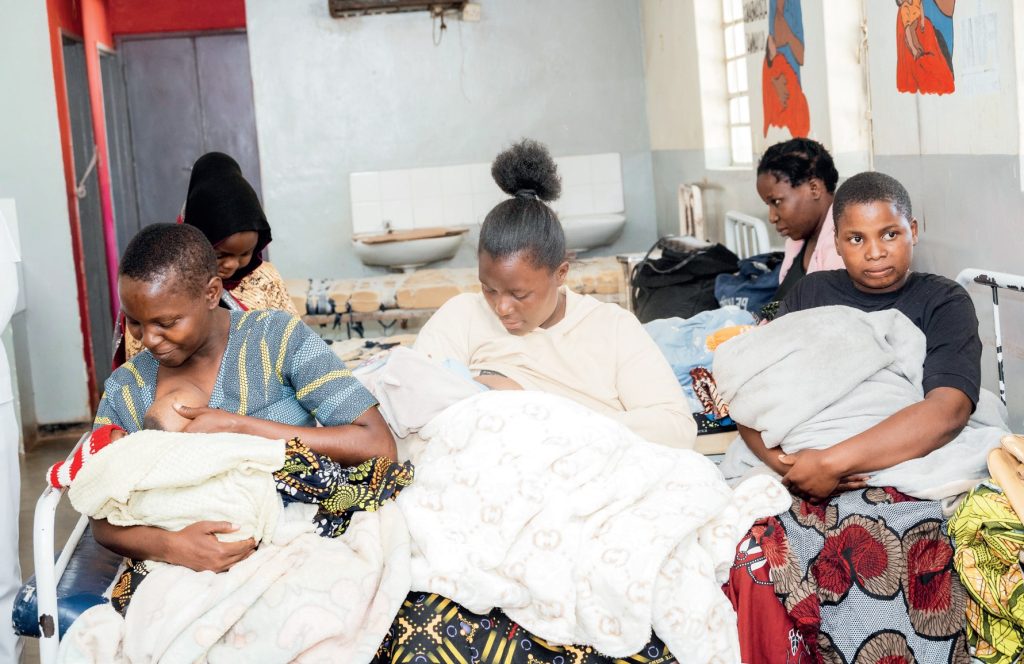
Amid the widespread myths, Zingwangwa Health Centre in Blantyre convinces over 20 women daily to give their baby only breast milk for the first six months of life.
Every morning, women from surrounding community receive routine health talks on the benefits of exclusive breastfeeding.
Chilobwe resident Belita Jafali says prior to her first pregnancy, she had no idea breastfeeding required specific skills.
“I just saw people breastfeeding and paid no attention to how they did it or why they did it,” she recalls.
During her first antenatal clinic visit, Jafali learned recommended breastfeeding techniques and the dangers of poor baby feeding practices.
The tips worked well for her first child, making her an advocate for breastfeeding among her peers.
“Breastfeeding a newborn encompasses hygiene, including bathing at least three times a day, frequent handwashing and wearing clean clothes,” she says.
The tips acquired from antenatal visits, post-natal care and under-five clinics has stayed with her.
Jafali uses the knowledge for the benefit of her second son, born just a few weeks ago.
“I noted several breastfeeding benefits with my first child. I wouldn’t trade this for anything, not even the unsubstantiated belief that this makes women unattractive,” she says.
Jafali says breastfeeding her baby fills her with joy and pride, especially with her husband’s active involvement.
“Waking up in the middle of the night has always been an uphill task for me, but he has been my strength, even holding the torch throughout the feeding episode,” she says.
Misinformation and social pressure remains a barrier for many young mothers such as Saudah Yassin, 23.
She narrates: “There’s a belief that breastfeeding exclusively makes the mother unattractive and her breasts become saggy. Others say babies need supplementary food, a misconception that breastfeeding is not enough. But I know through health talks that all these are false beliefs.”
Yassin advises first-time mothers not to be carried away with urban girlish myths that breastfeeding is not cool for their looks.
For Tiyanjane Sosinyo, a 30-year-old teacher and mother of three, Zingwangwa Health Centre’s practical demonstrations on baby positioning and burping have proven invaluable in preventing choking and unnecessary vomiting.
“Apart from the nutrition aspect, breastfeeding also helps in bonding between mother and child, protects the baby against life-threatening infections and supports healthy brain development,” she says.
The teacher says career demands should not be an excuse to deny babies their right to breastmilk.
As a working mother, Sosinyo manages exclusive breastfeeding by pressing milk before leaving for work.
“I did that for the first two children. I’m getting a breast pump to ease the process for the newborn once my maternity leave is over,” she explains.
Currently, workplaces are encouraged to reserve safe breastfeeding corners for mothers who bring babies to work and get milk out of their breasts by hand or with a pump so they can store it and feed their babies.
Zingwangwa Health Centre nurse and midwife technician Tiwonge Nyirenda notes that prior to intensifying health talks across ante-natal clinics, post-natal wards and under-five clinics, the facility routinely registered complications such as swollen nipples or sores on the nipples.
Today, mothers have mastered correct latching and positioning techniques.
“Women have been motivated with information that exclusive breastfeeding contributes to raising an intelligent child. Plus, breastfeeding is economical unlike supplementary food plus formula,” she explains.
Nursing officer Pilirani Uzamba attributes their breastfeeding success story to the Baby-Friendly Hospital Initiative.
The facility’s 18 nurses attended the training four years ago.
Unicef Malawi, with funding from German Government through KFW, supported the initiative implemented in health centres across the country to improve breastfeeding.
“We are doing the minimum as we have resource challenges to implement all standard initiatives, but you can already see the impact it has had,” Uzamba proudly says.
Blantyre district nursing officer Modesta Mwagomba confirms that health education and facility posters are yielding positive results across the district.
“The health talk initiative is worth sustaining and advancing since more mothers now realise the benefits of exclusive breastfeeding through this,” Mwagomba notes, adding the district office plans to step up community engagement and strengthen partnerships with Health Facility Management Committees.
This year’s World Breastfeeding Week theme—Breastfeeding for a sustainable start in life: strengthen what works—focuses on tracking progress, evaluating impact and scaling proven approaches that improve breastfeeding outcomes.
Ministry of Health Principal Secretary (Administration) Bestone Chisamile calls on district councils, health facilities, employers, community leaders, professional bodies, private sector, civil society, the media and development partners to work together to protect, promote and support breastfeeding in every setting.
“Strengthening breastfeeding support is an investment in healthier children, healthier mothers and a more resilient health system for Malawi,” he says.