The Judiciary has pledged to step up efforts to bridge the gap between the courts and the public through open days to demystify court processes, clear perceptions of corruption and address delays in case handling.
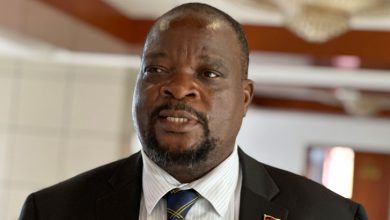
Speaking during the third Judiciary Open Day at Ekwendeni in Mzimba on Thursday, Chief Justice Rizine Mzikamanda described the initiative as critical in building trust and promoting people-centred justice.

He said: “For too long, there has been a gap between the courts and the people. Many citizens do not fully understand how the justice system works and in some cases, they fear it.
“This day is about opening the doors, breaking those fears and reminding Malawians that justice is not a privilege, but a right.”
Mzikamanda said many people, even at Capital Hill, mistakenly believe the Judiciary is part of or under the Ministry of Justice when it is among the three arms of government.
The open day comes amid growing public scrutiny of the Judiciary, with some citizens accusing it of bias or corruption, particularly when court rulings do not go in their favour.
While acknowledging that corruption exists within the system, Mzikamanda was quick to clarify that not every unfavourable judgement stems from judicial misconduct.
On delays to conclude cases, another area of public concern that prompted the Malawi Law Society last October to fault the Judiciary’s stance on complaints, Mzikamanda conceded that the problem remains entrenched both locally and internationally.
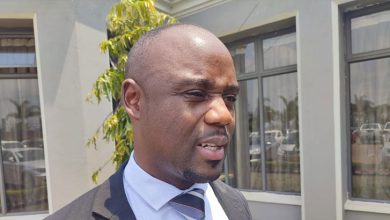
On his part, Sub-Traditional Authority Yohane Jere described the event as an eye-opener, saying a lack of information breeds speculation.
He praised the Judiciary’s performance, but urged it to do more in countering fake news, especially by increasing public awareness in the digital age.
Held under the theme ‘A demystified, accessible and people-centred Judiciary’, the open day, now in its third year, was designed to bring judicial officers closer to communities and boost public confidence in the courts.