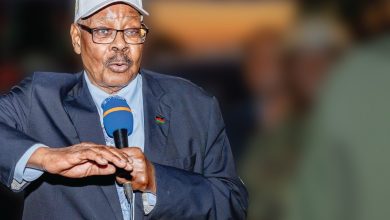
The Executive has given National Assembly Speaker Sameer Suleman a seven-day ultimatum to produce evidence to support his claims of entrenched corruption among top government officials.
The ultimatum has deepened a political standoff that now centres on constitutional boundaries, parliamentary oversight and the fight against corruption.
It follows remarks Suleman made on Saturday during prayers organised by Jamat Area 13 Mosque in Lilongwe City Centre, which were broadcast on TV Islam.
The Speaker, a national governing council member of the ruling Democratic Progressive Party, claimed Malawi will remain trapped in poverty regardless of political leadership changes unless entrenched corruption is dismantled.
He accused elements within the system of frustrating his anti-corruption efforts and allowing public resources to be plundered.
Suleman cited fertiliser funds meant for the poor, alleging they were stolen without arrests or prosecutions and decried nepotism and concentration of power.
“When we speak, we are threatened that they will remove us. Some of us are ready to be removed for the sake of Malawians. The gap between the poor and the rich is too wide. We can change about 20 presidents, but the system does not allow change. We need to break the system and let the corrupt face the law,” he said.
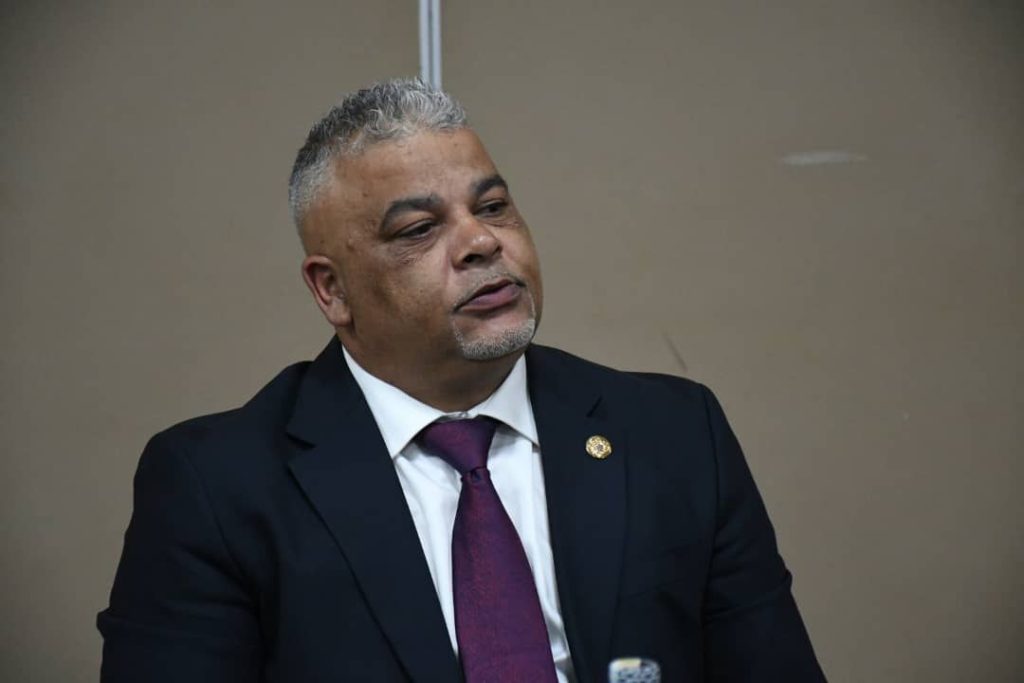
Suleman said corruption remains a major obstacle to development even when the President has good intentions, adding he was prepared to die for the poor in line with his Muslim faith.
But in an interview yesterday, government spokesperson and Minister of Information Shadric Namalomba said Suleman must submit the evidence to investigative and prosecutorial agencies such as the Anti-Corruption Bureau (ACB).
He warned that sweeping and unsubstantiated public accusations risk undermining other arms of government.
“Let him present evidence to the relevant institutions such as the Auditor General, Anti-Corruption Bureau and the Fiscal Police within the next seven days or else he should stop making baseless allegations as such conduct amounts to slander. Character assassination has no place in this government,” said Namalomba.
He said the current administration is not shielding corrupt officials, but insisted allegations must be backed by evidence.
“Parliament does not have latitude to discuss this matter. It has oversight role. On its own it cannot fight corruption. It needs other arms of government, but what we are seeing is that the Speaker is fighting other arms,” said Namalomba.
The clash traces back to August this year, when Suleman instituted joint parliamentary ad-hoc committees to investigate 12 issues of public concern.
The Executive argued the process bypassed established procedures.
The committees were mandated to probe economic pressure points such as fuel supply, electricity, mining and pension management, as well as public service delivery issues, including passport issuance and prison conditions.
The investigations were frozen after private citizen Austin Mkoka obtained am injunction in the High Court.
With the court expected to hear arguments next month on the limits of Parliament’s oversight powers, the ultimatum adds political volatility to an already sensitive constitutional question.
Chief Secretary to the Government Justin Saidi declined to comment, saying he had not followed the remarks.
“I need to have the context first. I was outside the country and have not followed the sentiments. So, I cannot comment,” he said.
Governance advocates said Suleman’s claims should be investigated rather than dismissed.
Political Science Association of Malawi spokesperson George Chaima said the remarks suggest willingness within government to confront corruption and should be treated with urgency.
“Corruption in this country is becoming worse than ever before and I think we just have to change the paradigm and adopt a more aggressive approach to dealing with it,” he said, arguing weak penalties and shielding of suspects have undermined the fight.
Centre for Social Accountability and Transparency executive director Willy Kambwandira said the allegations should not be dismissed as political rhetoric nor accepted without scrutiny, but subjected to independent, credible investigation.
“The fact that the Speaker is facing court battles arising from the ad hoc committees he instituted does not invalidate his concerns, but neither does it automatically establish their truth,” he said.
National Advocacy Platform chairperson Benedicto Kondowe said Parliament has a constitutional duty to expose wrongdoing, but its anti-corruption drive must be pursued within the law and respect for ongoing court processes.
“The fundamental issue is not whether powerful individuals feel uncomfortable with parliamentary scrutiny, but whether accountability can be pursued independently, lawfully and without fear or favour, because no public office should provide sanctuary from scrutiny,” he said.