Absence of reviewed post-abortion care (PAC) guidelines in public health facilities continues to put girls, especially minors, on the edge.
When they are sexually violated and get pregnant, they are being denied access to safe abortion services—and this is despite a landmark November 28 2025 High Court of Malawi ruling which clarified that minors of sexual abuse have that right.
Our findings, corroborated with the Centre for Human Rights and Rehabilitation (CHRR) established that this is the prevalent situation—mainly due to the absence of the PAC guidelines in public health facilities which were supposed to be reviewed and implemented within 180 days from the date of the ruling.
The timeframe expired on April 26 2026.
Our sample of selected districts of Blantyre, Mchinji, Lilongwe and Mzuzu established how minors are left stranded.
“I was sent back and now I have to drop out of school,” explained a 16-year-old girl from Mdeka who was raped by a neighbour.
“I honestly would have loved if my decision was respected,” explained the teen, who agreed for an interview but on condition of strict anonymity due to sensitivity of the matter.
Human rights activists say the fact that the court-set period for reviewing and implementing the guidelines has expired without their full operationalisation raises serious concerns.
They argue that the situation creates a troubling gap between what the court has clarified as a matter of law and what girls are actually experiencing at health facilities.
CHRR executive director Michael Kaiyatsa says the concerns are not merely theoretical.
“We have confirmed that girls who become pregnant as a result of rape or defilement are still being turned away from public health facilities when they seek access to lawful abortion services,” says Kaiyatsa.
“This has direct and serious human rights consequences. A child who has already suffered sexual violence should not be subjected to further trauma by being denied access to a lawful health service or being sent from one facility to another because of uncertainty over the applicable guidelines.”
Kaiyatsa says continued delays of the guidelines have further consequences for girls’ physical and mental health, arguing that pregnancy resulting from sexual violence can cause profound psychological distress while delays in accessing appropriate care can narrow the available medical options.
He says this increases the risk associated with unsafe abortion. He argues that the longer girls are left without clear and accessible pathways to lawful services, the greater the risk that some may resort to unsafe means to terminate their pregnancies.
He argues: “At the same time, we must recognise the difficult position in which health workers find themselves. Where the guidelines remain unclear, have not been properly disseminated or have not been fully implemented, some providers be uncertain about what they are legally permitted or required to do and may fear criminal or professional liability.
“However, this uncertainty cannot be allowed to become a burden that is ultimately borne by the child seeking care. The responsibility lies with government to provide clear guidance, ensure that health workers are adequately trained and create an environment in which lawful services can be provided without unnecessary fear or confusion.”
Kaiyatsa says the continued delays in operationalising the guidelines need to be addressed with urgency, adding that the rights affirmed by the court must not remain rights that exist only paper.
“They must be translated into practical access to services for the girls who need them,” he says.
Religious Leaders Network for Choice national coordinator the Reverend Cliff Nyekanyeka says the court given timeframe of the review and implementation of the revised guidelines was adequate.
“There has to be action on the ground. The court cleared the hurdles for sexually violated minors to make personal decisions in approaching public health facilities,” he said.
“Relevant authorities need to make this matter seriously because there are a lot of issues, for instance, the mental health of the minors which are mostly overlooked.”
Nyekanyeka said from a religious perspective, there are circumstances where abortion is justified despite it being prohibited both in the church and in law.
Under the current laws, abortion is prohibited except when the mother’s life is in danger.
Attorney General Frank Mbeta on May 28 said the revised guidelines were complete and that the draft guidelines were undergoing vetting other procedural formalities before implementation.
But subsequent follow-ups on implementation status have proved futile.
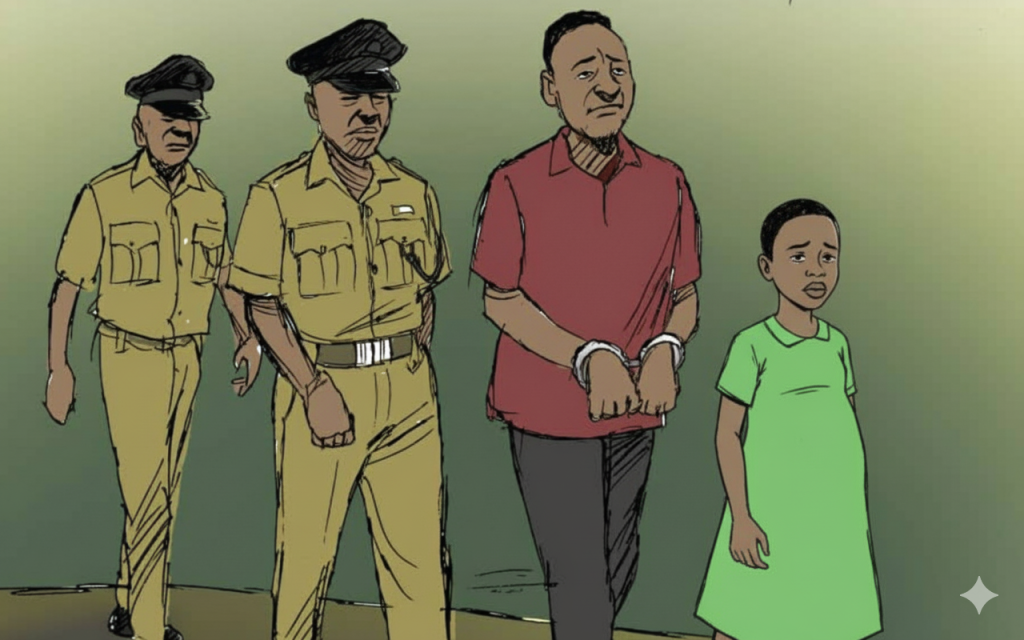
The guidelines were directed for review following a court ruling from a case in which a 16-year-old minor sued the State following a clinician’s denial to assist her terminate a pregnancy after being defied by her 60-year-old neighbour.
She was 13 when she was defied.
High Court of Malawi’s Judge Mike Tembo clarified in the ruling that existing legal frameworks, including the Gender Equality Act, permits access to safe abortion for minors who become pregnant as a result of sexual violence; hence, directed government to revise the national clinical guidelines to reflect that position.