Public Service Pension Trust Fund statutory manager Stain Singo has revealed that despite paying K90 billion for the Amaryllis Hotel acquisition, the fund is yet to take legal ownership and reap from the investment.
In an exclusive interview with The Nation in Lilongwe on Tuesday, he said the fund has no title deed, share certificate or operational reports and handovers for the hotel located in Blantyre central business district.
“We paid about K90 billion, but we have no title deed, no share certificate and no operational reports,” said Singo.
The chartered insurer, who was appointed to the role by the Registrar of Financial Institutions (RFI) in April
after firing trustees, said the fund is weighing legal options while waiting parliamentary and court processes surrounding the transaction.
Singo’s revelations about lack of handover come amid controversy over the deal between the fund and Yusuf Investments Limited, owners of the hotel that attracted a parliamentary inquiry. The inquiry report is yet to be released.
Meanwhile, Singo has recommended reforms to address governance weaknesses coupled with delayed audits and outstanding government pension contributions which have undermined contributors’ welfare and eroded confidence in one of Malawi’s largest institutional investors.
The fund has audit backlogs dating back to 2021 which are delaying the declaration of about K250 billion in bonuses due to contributors.
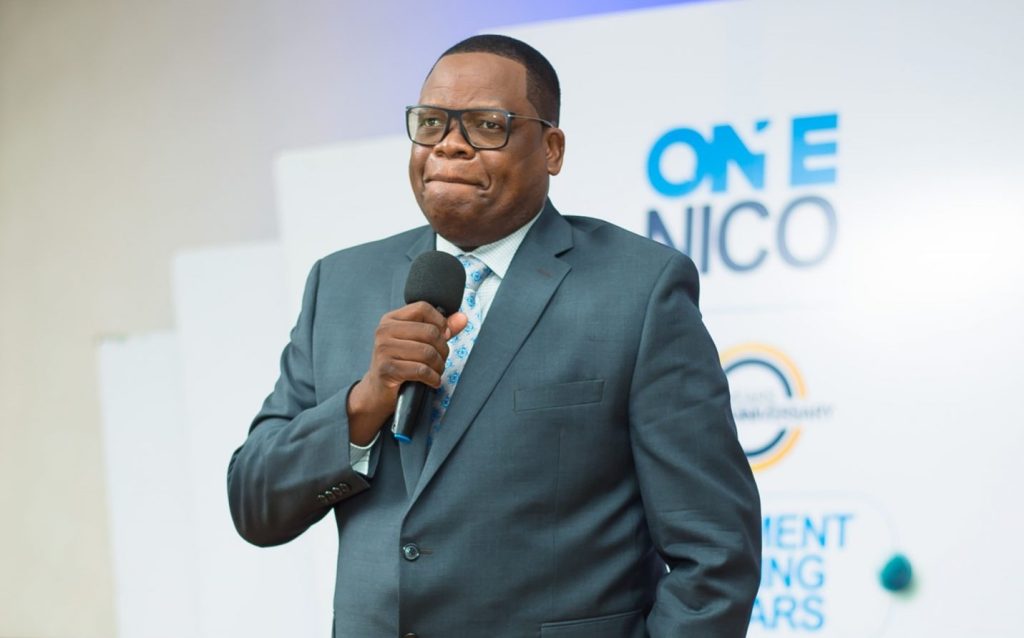
During the interview, Singo, who served as chief executive officer for Nico Life Insurance Company and founded Smile Life Insurance Company Limited, said government owes the fund billions of kwacha in pension contribution arrears, although the exact amount is still being reconciled with Treasury.
He proposed amendment of the fund’s trustees deed to include professional bodies such as Malawi Law Society, Institute of Chartered Accountants in Malawi (Icam), insurers and the clergy. Currently, the fund has slots for 12 trustees equally shared between the employer and employees.
Commenting on the proposals, corporate governance expert Jimmy Lipunga said the developments highlighted the need for structural reforms capable of strengthening accountability, transparency and institutional resilience.
He described Singo’s recommendations as “sound and well-reasoned”, saying the governance framework should be redesigned to ensure the board provides effective oversight rather than merely endorsing management decisions.
“The board should cease to be a trophy and symbolic board merely acting as a conduit of vested interests,” Lipunga said.
He said the cont rover sy surrounding the Amaryllis transaction also demonstrated why trustees overseeing a fund of its size require diverse professional expertise and the independence to challenge
complex investment decisions before contributors’ funds are committed.
Lipunga also recommended excluding politically exposed persons from serving as trustees and subjecting prospective board members to fit-and-proper assessments, including integrity screening by the Anti- Corruption Bureau and their respective professional bodies.
Icam chief executive officer Noel Zigowa agreed with Lipunga’s sentiments and said the recent governance challenges demonstrated the importance of strengthening professional oversight.
He said in an interview that including an experienced chartered accountant on the board would improve scrutiny of financial statements, investment proposals, risk management and internal controls, particularly for a fund entrusted with trillions of kwacha belonging to public servants.
Referring to the Amaryllis transaction, Zigowa said the controversy underscored the importance of rigorous due diligence, independent valuations, transparent d ec i s i o n -ma k i ng and proper documentat ion before substantial amounts of contributors’ funds are committed, while cautioning against prejudging ongoing parliamentary and court processes.
But he said professional representation alone would not resolve the fund’s governance weaknesses and proposed taking on board diverse expertise in accounting, law, investments, actuarial science, pensions administration and risk management.
On audit backlogs, Zigowa described the situation as “a serious governance and accountability concern”, warning that the absence of audited financial statements deprives trustees, contributors and regulators of reliable information needed to assess the fund’s financial position and investment performance.
In his recommendations, Singo also proposed an Asset and Liability Committee to strengthen oversight of the fund’s investments and liabilities, recruit a risk and compliance manager to independently monitor adherence to governance standards and review agreements with external asset managers to improve accountability.
Historical investments will also be reassessed to determine whether they continue serving contributors’ interests, while outstanding government pension contributions will be pursued through engagements with Treasury.
For Lipunga and Zigowa, the reforms represent an opportunity to rebuild confidence in the fund, but they separately argued that restoring trust will depend not only on changing the composition of the board, but on embedding independent oversight, timely financial reporting, robust investment scrutiny and accountability throughout the institution’s governance framework.
The K128 billion transaction has stirred controversy with parallel legal battles and parliamentary inquiry underway.