The World Bank says Malawi’s new tax measures are increasing the cost of doing business and putting further pressure on firms already grappling with foreign exchange shortages, unreliable electricity, rising input costs and weak demand.
In its latest Malawi Economic Monitor published on Thursday, the bank said levies on bank and mobile-money transfers, higher value added tax (VAT) and the minimum alternate tax on turnover were putting additional pressure on corporate liquidity.
impact closely
The bank also said businesses were facing additional compliance costs from electronic fiscal devices and e-invoicing, with SMEs particularly concerned about acquisition and maintenance costs, limited digital skills and inadequate system integration.
Reads the analysis in part: “New levies on bank and mobile money transfers, an upward adjustment to the VAT, and the introduction of a minimum alternate tax on turnover for large firms all hit corporate liquidity at a time when cash flow is already tight.
“Without gains on these fronts, revenue-focused measures alone risk having a detrimental effect on short-term expansion for the private sector,” the World Bank said, calling for reforms to be accompanied by action on foreign exchange shortages, power supply and policy uncertainty.”
The bank said successful implementation would be critical to limiting the early side effects of the reforms, with gradual rollout, technical assistance and stakeholder engagement needed to maximise their longer-term benefits.
The tax changes under the 2025/26 Mid-Year Budget Review took effect on January 1 2026 as government sought to widen the tax base, increase progressivity and raise revenue from previously under-taxed activities.
They include an increase in VAT from 16.5 percent to 17.5 percent and a rise in the Paye tax-free threshold from K150 000 to K170 000, alongside marginal rates of 30 percent, 35 percent and 40 percent for higher-income earners.
The package also introduced levies on bank and mobile-money transfers, a minimum alternate tax on turnover for large firms and higher withholding and capital gains taxes.
The Malawi Confederation of Chambers of Commerce and Industry (MCCCI) had also warned that the cumulative effect of the measures could strain businesses despite their contribution to revenue mobilisation.
In its 2025 Annual Economic Performance and Business Review, MCCCI said the changes would increase operating costs, compress cash flows and potentially reduce firms’ ability to reinvest and expand.
The chamber said formal businesses already operating under foreign exchange shortages, high interest rates and weak demand could face further pressure on profitability, potentially discouraging investment and formalisation.
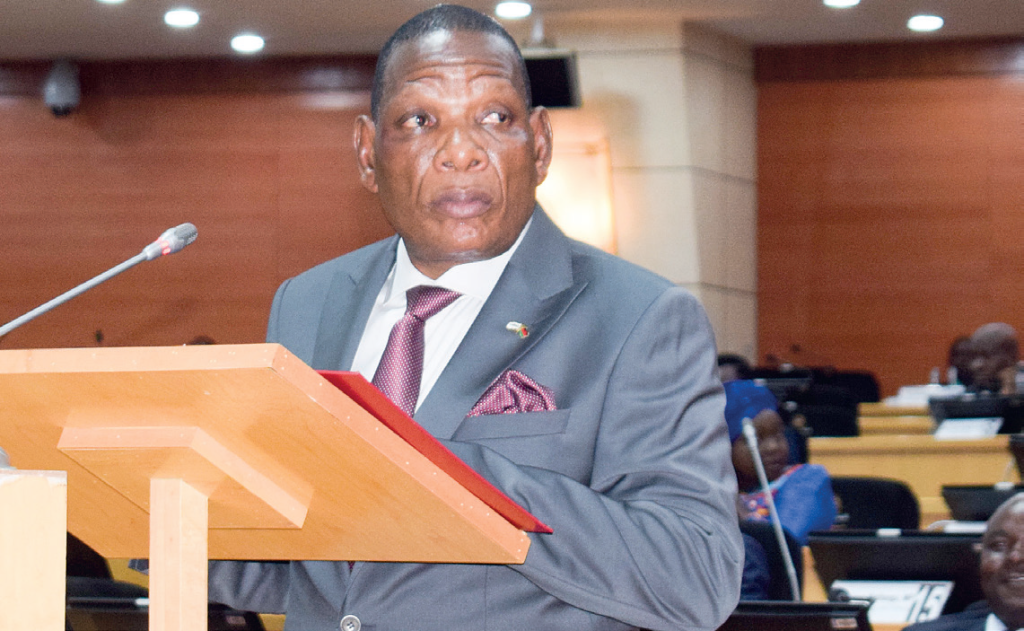
However, Minister of Finance, Economic Planning and Decentralisation Joseph Mwanamvekha defended the measures, saying government remained committed to dialogue with stakeholders.
“We will monitor the impact closely to ensure that these reforms achieve their intended objectives without undermining business confidence or economic activity,” he said.