Seven-year-old Shamila Lewis had just returned from school around 3pm when a stray dog bit her calf muscle, wrist and finger.
The Standard Three pupil at Chibavi Primary School in Mzuzu had barely sat down to take his meal when the dog charged.
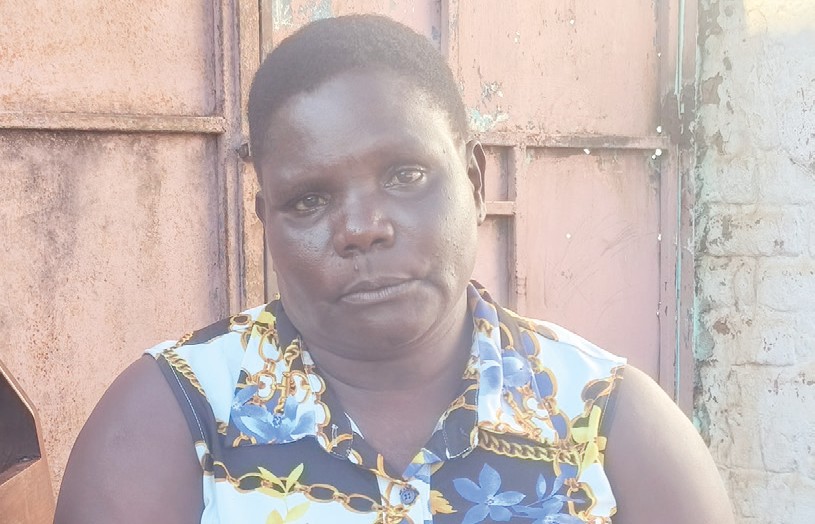
“She screamed for help,” recalls her grandmother Mary Kholiyo. “A good Samaritan stoned and chased the dog away, cleaned the wounds and took her on a bicycle to my workplace.”
Kholiyo had raised Shamila since she was three.
She took the girl to Mzuzu Urban Community Health Centre, where medics gave the patient Panadol painkillers.
Kholiyo did not know that her grandchild had contracted rabies, a virus transmitted through the saliva of infected animals.
The virus is fatal unless dog bite victims seek treatment before symptoms appear.
For Shamila, help came too late to avert the deadly disease that claims a life every nine minutes globally.
Kholiyo recalls: “Health workers asked whether the dog had been vaccinated, but I didn’t know whose dog it was.
“They gave her Panado and told us to visit a veterinary office the next morning.
“That evening, children in the neighbourhood identified the dog, but the owner produced old vaccination papers and gave us K5 000 for transport. The woman disappeared when veterinarians required her to bring the dog for assessment.”
National guidelines require veterinarians to assess the dog to determine whether a patient needs an anti-rabies vaccine.
Back at the hospital, Shamila only received a tetanus injection.
Mzuzu regional veterinary laboratory officer Sam Mvula says animal health staff observe the suspected dog for two weeks while the patient receives wound care.
“A rabid dog dies or develops signs of rabies within 14 days,” he says. “If it does, we immediately inform the hospital to treat the bite as a rabies case.”
Mzimba North health promotion officer Lovemore Kawayi says there are no shortcuts.
“We don’t refuse people because there is no vaccine. The decision follows veterinary advice and the level of risk,” he says.
For Shamila, the observation period, coupled with the runaway dog owner and healing wounds, proved deadly.
“All those months I thought she was okay. I gave her painkillers without knowing it was rabies,” Kholiyo narrates.
Rabies virus can remain hidden for weeks or months, fuelling preventable deaths.
Four months ago, Shamila’s leg began to swell—and then came stomach pains and weight loss.
Tests at Mzuzu Central Hospital (MCH) revealed that the girl had rabies.
Kholiyo took her to a night of prayer before heading for the Northern Region’s largest hospital.
Kholiyo recounts: “The condition had worsened by early April. She started rolling out her tongue, salivating profusely and throwing herself down. When given water, she pushed it away.”
The fear of water, caused by painful throat spasms, is the clearest rabies sign.
“I mistook the signs for cerebral malaria,” says the granny.
Shamila died on April 22 this year.
“She vomited blood and gasped. After some minutes, she breathed her last,” says the grandmother.
MCH spokesperson Blessed Kondowe spoke of another girl, aged four, who died four days after admission on April 12.
Last year, MCH administered 336 anti-rabies vaccines.
The patients included 221 from Mzuzu City and 115 from surrounding districts.
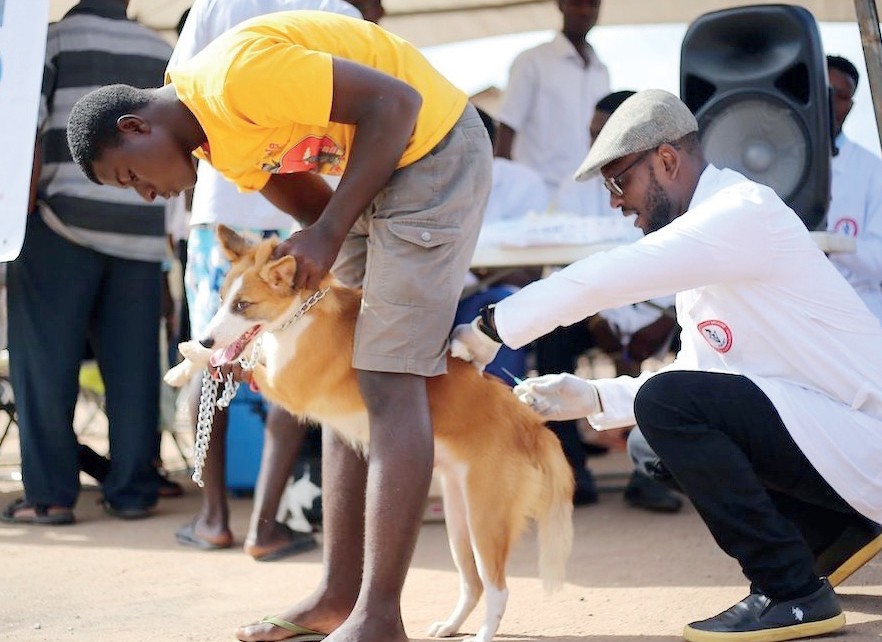
Shamila’s death triggered emergency dog vaccination campaigns in Chibavi and surrounding townships.
“Our veterinary system relies on dog owners and community leaders to ensure the animal is brought for assessment. Our officers lack resources to pursue every case,” Mvula says.
Stray dogs inundate Chibavi and neighbouring Chibanja residential areas, scavenging in homes and meat-selling pubs.
“Gone are the days people got their dogs vaccinated because authorities diligently shot down any unvaccinated dog. Now, stray dogs are everywhere,” says Chibavi Ward councillor Gabriel Gabito Mwaungulu.
He says some households own several dogs, but vaccinate “just a few to obtain a certificate or two for all”.
The northern city’s community by-laws limit each households to no more than three dogs.
The regulations impose fines of at least K30 000 on anyone who fails to chain or confine their dogs.
“Stray dogs remain a challenge,” says Mzuzu City Council spokesperson McDonald Gondwe.
Weak law enforcement slow national ambition to eliminate dog-transmitted rabies by 2030 through mass dog vaccination, prompt treatment and greater public awareness.
According to health authorities, rabies kill about 500 annually, especially children under 15.
According to World Organisation for Animal Health, 99 percent of human cases result from dog bites and vaccinating 70 percent of dogs in an area breaks transmission.
Today, Kholiyo tearfully asks: “How did caregivers and their trusted system allow a child who reached the hospital within an hour of a dog bite to die months later from a treatable disease?”