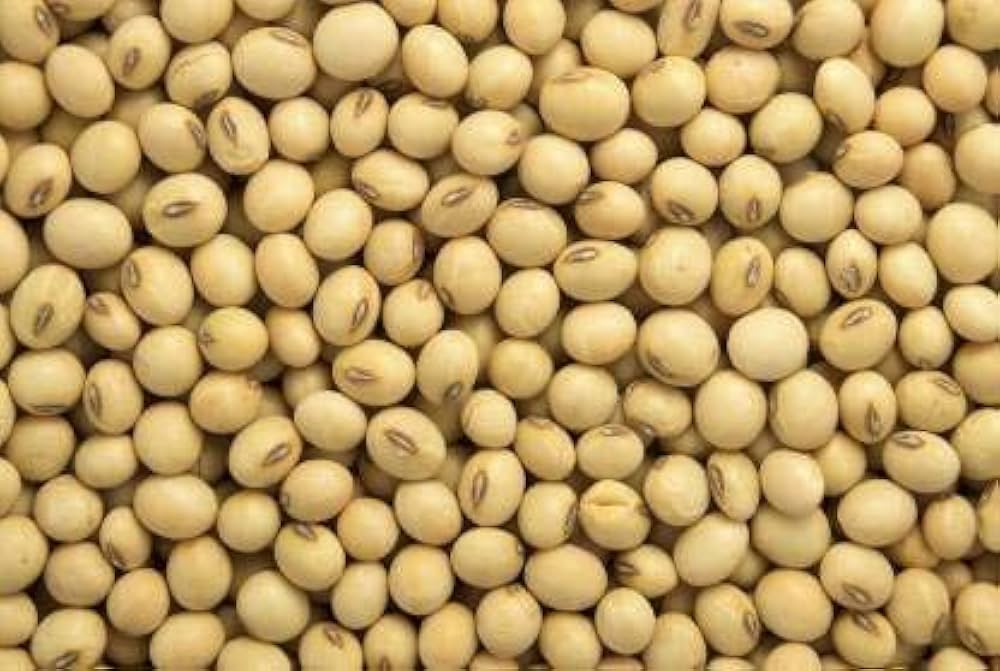
Soya beans have made Jacob Master, a breadwinner for his family of five in Mphelo Village, Traditional Authority in (T/A) Chambwe in Kasungu District.
Master credits the proceeds of the cash crop with ending hunger and poverty that used to haunt his household and many others in the tobacco-growing district.
“It’s no longer tough to feed my family and provide basic needs for my children,” he says.
Last growing season, the father of two earned K1.8 million from soya bean sales.
Said Master: “I re-invested the money in maize business and a grocery shop, which gave me a K4.6 million profit all year-round.
“I also bought a motorcycle for kabaza business to expand my income sources. This has given me peace of mind.”
Similarly, Luka Tembo, a member of Mswamphira Comsip Cooperative in T/A Mabulabo, Mzimba District, says beans have liberated his family economically.
“They are cheap to grow because they don’t require feratiliser. They improve soil fertility and yield more than maize, which need fertilisers,” he says.
The man made K4.6 million from selling 980 kilogramms (kg) of NUA45 beans this year.
Lucida Chintokoma in Kambuzinyoni Village, T/A Kachere in Dedza District, describes beans as a game changer for farmers once obsessed with tobacco and maize.
“Life is great with beans,” she says. They fetch good prices.”
The woman harvested five bags weighing 50kg each and made K1 million after selling four.
She envies farmers like Veronica Mwale who bought an oxcart and made bricks for a modern house after selling her 50 bags of groundnuts at K3.2 million.
Mwale envisions her family of six swapping a grass-thatched house for a decent home this year.
“I will sell 20 bags towards the end of the year to build the house and provide children with school needs,” she says.
These farmers personify a growing population cashing in on legumes, which they call the new tobacco.
However, Finger on the Pulse, a new policy paper on pathways to harness beans for sustainable food systems and nutrition, ranks Malawi among countries that are not reaping the full potential of legumes.
According to the report, the policy brief beans are a readily-available solution to hunger and poverty, but both production and consumption remain low.
It recommends that governments prioritises beans as they provide a simple, scalable, and socially-relatable solution to address poverty and food insecurity amid climate change.
It reads: “Investments in production and consumption of beans can increase progress towards achieving the Sustainable Development Goals (SDGs) target with five years left, by conserving the environment and addressing inequality,” it reads.
Spring Foods policy advisor Sam Kass, who was US President Barack Obama’s chef, says governments’ failure to prioritise beans also affects production, investment and affordability of the crop.
“As a result, there are missed opportunities to reap the multiple benefits beans offer. The demand should be increased as beans are rich in nutrients and resistant to climate change,” he says.
Agnes Kalibata, the United Nations special envoy for the 2021 Food Systems Summit, says it is high time to invest in beans because they thrive even with little rain.
She explains: “They are good for soil health as they naturally enrich the soil with nitrogen, improving fertility and reducing the need for fertilisers.
“They are more cost-effective because they need few to no fertilisers or pesticides.”
The new policy paper challenges governments to put beans in development projects for resilience of farmers’ food production.
“Beans help our children to be healthy because of proteins, restore soil fertility and allow smallholders to make more money from their sweat,” it reads.