June is Men’s Mental Health Month. Our Staff Writer SANGULUKANI NYIRENDA looks at the plight of men left to their devices.
His family found his body hanging from the roof on the verandah of his mother’s house.

Elders quickly whisked two children away as his wailing wife and mother fell at his feet, which barely touched the ground.
The breadwinner was gone, leaving behind a clueless wife, fatherless children and a poor mother in a cruel world that he could not bear anymore.
Just like him, 80 men and 15 women tragically ended their lives between January and May this year—up from 92 during the same period last year.
Men don’t cry?
Malawians grow up hearing that men do not cry, but police records show that the male gender accounts for 87 percent of at least 2 000 suicide cases recorded between 2022 and 2026.
As society leaves men to their devices and false toughness, those in distress are using drugs, ropes, guns and knives to terminate their lives—the harshest punishment one can get. Even democratic governments no longer find it fashionable to execute their citizens.
“The growing burden of men-related suicides is a true reflection of global prevalence,” says Dr Ndumanene Silungwe, a clinical psychologist from St John of God Hospitaller Services.
But why are we burying more men when women face problems, too?
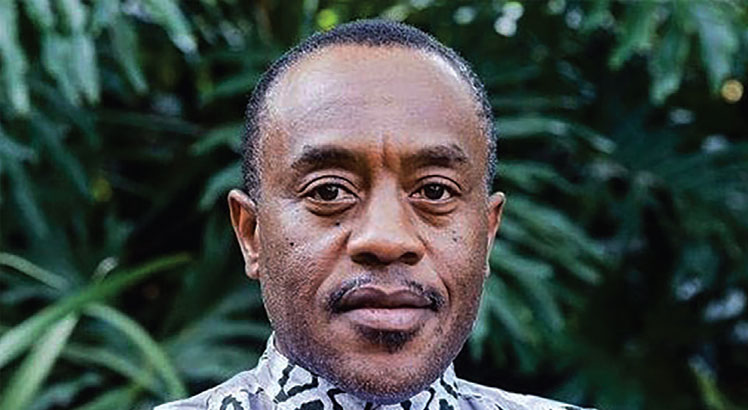
For Silungwe, the devil hides in the devices used.
“Women equally attempt suicide two to three times, but two to three times more men complete suicide,” he says. “Most men use more lethal methods, which make survival difficult, while females use less lethal methods that create chances of being saved.”
The common triggers for suicide include financial stress, broken relationships, depression and schizophrenia, experts say.
“This can be linked to dangerous forms of masculinity in which men are expected to be the stronger sex, not show signs of fragility and be the supporting pillar of all,” says Christopher Mhone, who heads the mental health clinic headquartered in Mzuzu.
He reckons that the skyrocketing cost of living, coupled with a weakening local currency and spiking tax burdens, has made men financially weak and unable to support their dependents.
“As such, many men live with unresolved mental burdens that result in psychological breakdown,” says Mhone.
He describes suicide as a mental health problem that requires immediate admission for monitoring and treatment, as each episode involves planning, thinking, rethinking and trying to cope.
“Only when this fails do people actually give up,” Mhone says. “Before we lose them, they will have likely given a hint.”
The coping stage includes withdrawal, avoiding tasks one did with enthusiasm, drug abuse and alcoholism, according to the scholar.
He urges suicidal men and those who experience the red flags to seek help from healthcare workers.
The startling statistics have given rise to a mental health movement for men to speak up and seek help without the fear of being judged.
Kumasula Nkhawa Momasuka (Kunkhamo) rehabilitation centre in Limbe Town, Blantyre, has created a safe space for men to share inner fears and get help. It offers distance consultation, peer-to-peer pep talk and referral to specialised clinics.
While the organisation primarily helps men to cut the alarming statistics, they are open to anyone in need of mental health care.
“Men are often not open enough and the bottled-up emotions drive some to commit suicide. This is why we need to break the silence,” says Kunkhamo executive assistant Steve Khondowe.
Every man gone with untold stories leaves behind a nation asking: Are we doing enough to tackle mental health issues?
Activists and service providers are worried that mental health, from early screening to treatment, scarcely receives adequate investment and attention in the healthcare budget, now totalling K1.02 trillion.
‘One in 10 gets help’
Clinical psychologist Chiwoza Bandawe says suicide remains underreported and neglected—a sustained public health concern that “reflects how society reflects its people”.
“For every completed suicide, there are about 10 to 20 attempts, which reflects a bigger crisis and yet only one in 10 of those who need help do get it.”
Interestingly, authorities are aware of the unmet need for mental health assistance.
“The demand for psychosocial support is increasing and it needs urgent and professional support,” said Department of Mental Health director of curative and rehabilitation services Michael Udedi.