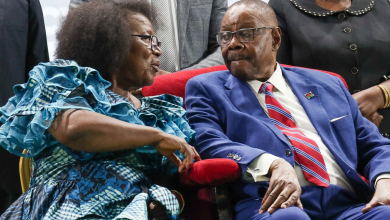
With just six months to September 16 General Election, some members of Parliament (MPs) were locked in a debate over urgent reforms to electoral laws.
Save the Children and Centre for Civil Society Strengthening on Wednesday evening hosted a Bill Analysis Session for MPs in Lilongwe under the Phungu Wanga (My MP) project.
At the heart of the debate were six Bills, including a contentious proposal to fast-track presidential election disputes to the Supreme Court of Appeal—a move some lawmakers warned could backfire if not handled carefully.
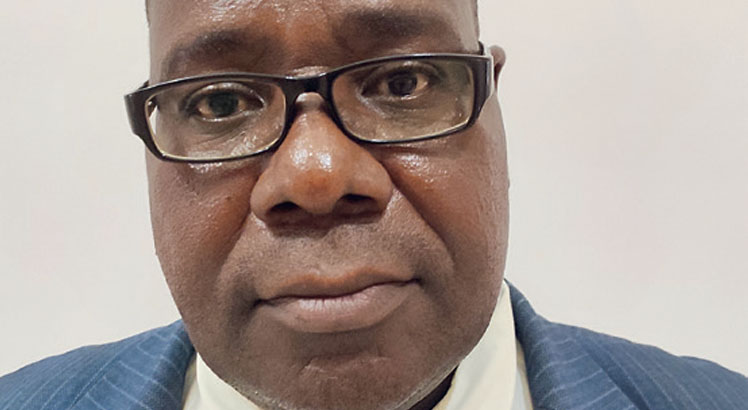
In an interview after the discussions, Parliament’s Legal Affairs Committee chairperson Albert Mbawala (Malawi Congress Party) defended the Constitutional Amendment Bill (Bill No. 4 of 2025), which aims to bypass the High Court and send presidential election challenges directly to the Supreme Court of Appeal.
He said: “Presidential votes are emotive. Prolonging disputes risks chaos. This Bill reduces suspense, ensures stability and protects our fragile economy from protests. We are avoiding a crisis. People need certainty.”
Currently, disputes can take months to resolve. The 2020 presidential election case, for instance, took nine months to conclude. The new Bill slashes this timeline to just seven days.
Mbawala further said the Legal Affairs Committee of Parliament will guide the House on legal matters, arguing that the committee leadership is satisfied that the amendments are good for the nation, especially on the presidential disputes.
But not all MPs agree.
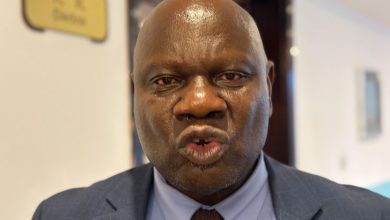
In a separate interview, Zomba Malosa MP Grace Kwelepeta (Democratic Progressive Party), who is a member of the parliamentary Transport Committee, slammed the timing of the Bills.
She said with only 185 days to the September 16 General Election; voters may not have adequate time to adapt to new laws.
Said Kwelepeta: “We are 185 days from elections, yet these laws haven’t even passed. How will voters adapt? Parliament is set to adjourn on April 11 and within the remaining weeks the House should pass the Bills, then the President is supposed to assent, then in the same less than 185 days they are supposed to be gazetted, circulated and implemented.”
Kwelepeta also cited what she described as impractical clauses such as a rule requiring candidates to report to the Malawi Electoral Commission (MEC) within 48 hours, saying: “Imagine someone in Chitipa or Nsanje travelling to Lilongwe in 48 hours. It is impossible. We are setting people up to fail.”
The lawmaker also criticised repetitive revisions of laws, including the Financial Crimes Amendment Bill, which was passed in 2023, but is already up in Parliament for changes.
“Why rush laws that MPs will need to amend again in six months? This breeds confusion. Let Malawians vote under existing rules. Rushed laws risk legitimacy,” she said.
But Mbawala insisted that stability cannot wait, adding that this is not about convenience, but survival.
The Bills that were discussed include Bill No. 4 of 2025 (Constitution Bill), Bill No. 5 of 2025 (Presidential Parliamentary Amendment), Bill No. 6 of 2025 (Supreme Court of Appeal Amendment), Bill No. 7 of 2025 (Financial Crimes Amendment), Bill No. 8 of 2025 (Prisons) and Bill No. 9 of 2025 (Penal Code Amendment).
Funded by the European Union, the Phungu Wanga project is being implemented in Rumphi, Mchinji and Balaka districts.
It is aimed at operationalising cost-effective civic education and outreach platforms for citizen engagement; improving legislative functions of Parliament and contributing to implementation of parliamentary capacity enhancement programmes for MPs and staff; and improving parliamentary research services and use of evidence-based decision-making.