A viral video circulated on Good Friday showed black, coal-contaminated water flowing in the Kasantha River in Traditional Authority Kilupula, Karonga District. The footage sparked public outrage and prompted swift action from authorities.
On Saturday, Karonga District Commissioner (DC) Willard Mwambo led the District Coordinating Team (DCT) on water, sanitation and hygiene to verify the video’s authenticity. Their preliminary findings were alarming and were shared with key stakeholders, including Paramount Chief Kyungu, the National Water Resources Authority (NWRA), Malawi Environmental Protection Authority (Mepa) and the Department of Mines.

The gravity of the situation forced stakeholders to forgo Easter Sunday prayers and conduct an urgent site visit. The inspection covered the loading bay, Changwina River, the mining hills and Kasantha River, where coal mining activities by Coal and Minerals Group (CMG) are taking place.
Before the tour, Paramount Chief Kyungu urged regulators to take decisive action if the mine was found to be non-compliant. He stressed that operations should be halted to protect people, crops and the environment, adding that investors must also meaningfully contribute to community development through corporate social responsibility.
Field tests by NWRA revealed preliminary evidence of contamination. NWRA inspection officer Wennie Bango said physical parameters indicated that coal residues had polluted the water with toxic acids, though comprehensive laboratory results were still pending.
Inspectors also noted poor sanitation conditions at the mine, including a lack of toilets for more than 100 workers. The DCT further reported that the company had not provided an Environmental and Social Impact Assessment and lacked certification from NWRA, raising serious compliance concerns.
In response, CMG managing director Manowa Mkandawire said the company takes environmental stewardship seriously and had initiated its own assessment to establish the facts.
Despite the concerns, local communities continue to rely heavily on the river. Women were seen washing clothes, cleaning utensils and soaking cassava, while children swam in the water.
Ketrina Kaona, 69, from Paulos Village, said residents depend on the river for daily use, including drinking water when boreholes break down. Another resident, Eunice Kawilo, echoed the sentiments, noting that the river is essential for household chores and livestock.
Mwambo said the multi-sectoral intervention was necessary to protect lives, crops and ecosystems, including Lake Malawi. He warned that water contamination could strain public health services and hinder socio-economic development. He urged the mining company to comply with environmental, water and mining regulations to avoid penalties.
However, not all community members supported strict action. Group village headman Katumbi appealed for leniency, citing the company’s contributions to local development, including school construction and employment opportunities.
Mwambo dismissed claims of a witch-hunt, saying the exercise aimed solely at ensuring compliance with the law.
Mepa, established under the Environmental Management Act to regulate and promote sustainable resource use, also participated in the inspection. Environmental enforcement manager Blessings Mulima said preliminary findings revealed several gaps, including lack of runoff control mechanisms, absence of waste management plans and weak corporate social responsibility practices.
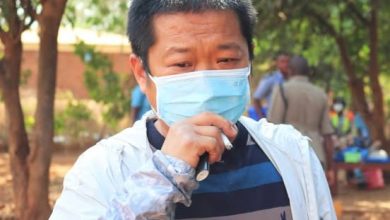
CMG administration manager Brian Mwangonde acknowledged the shortcomings, saying the inspection had exposed areas requiring urgent improvement. He pledged that the company would act to protect both the environment and surrounding communities.
The incident follows similar complaints raised a week earlier by farmers in the same area, who accused Xiangxi Construction Engineering Company (XCEC) of contaminating rice fields with quarry dust. Farmers said the deposits had reduced soil fertility and made cultivation difficult, resulting in poor yields.
One farmer, Flamings Sibakwe, said that although compensation was provided, it was inadequate and did not reflect the damage. Traditional Authority Kilupula described the payments—ranging from K50 000 to K84 000—as insufficient and warned of potential food insecurity if the issue is not addressed.
In response, XCEC human resources officer Isaac Kayira while acknowledging the concerns, cited financial challenges, saying the company had not received operational funds since November 2024. He pledged to engage management for solutions.
The developments highlight the urgent need for stronger environmental compliance among investors. Pollution of water and soil not only degrades ecosystems but also undermines livelihoods, food security and public health.
Such challenges threaten progress toward key Sustainable Development Goals, including clean water (SDG 6), zero-hunger (SDG 2) and sustainable land use (SDG 15), with the greatest impact falling on vulnerable communities.
Ultimately, the Kasantha case demonstrates the power of community voices in triggering accountability. It also underscores the responsibility of both regulators and investors to safeguard natural resources and ensure sustainable development.