The Malawi Government’s decision to impose surcharge tax on selected medicines has been hailed as an opportunity for Malawi to build a sustainable manufacturing capacity for its local pharmaceutical industry.
The import tariffs, according to various industry stakeholders, could also help to strengthen Malawi’s health security, boost economic growth, create new local jobs and save foreign currency by cutting imports.
The tariff adjustments stem from customs and excise changes approved through the 2026/27 National Budget process.
Minister of Finance, Economic Planning and Decentralisation Joseph Mwanamvekha affirmed the new measures in Government Notice Number 46 published on May 22 2026.
Following amendments to the Customs and Excise (Tariffs) Order, imported Amoxicillin 250 milligrammes (mg) capsules and 125mg dry suspension will now be subjected to a 20 percent import duty while the country’s most widely used malaria treatment Artemether-Lumefantrine, Paracetamol, Aspirin and Ibuprofen will attract a 25 percent tariff.
In an interview yesterday, Pharmaceutical Association of Malawi (Phasom) secretary general Jeremiah Kabaghe said the move could encourage the use of locally manufactured medicines and help save foreign exchange.
He said: “If we want this to work, we must improve quality, standards, packaging, storage and transportation. Otherwise, consumers may continue buying imported medicines despite the higher costs to safeguard their health.”
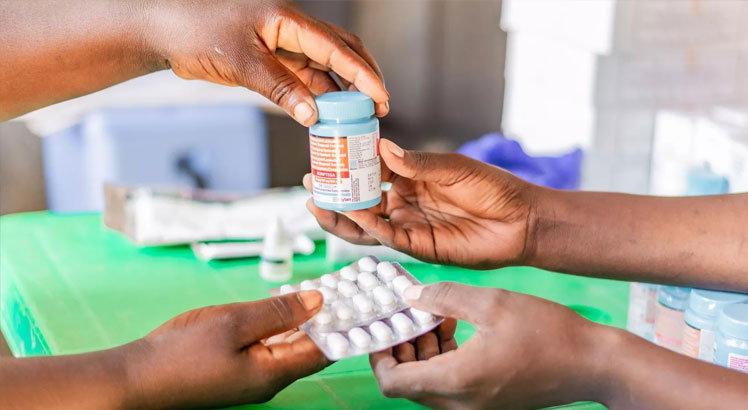
Ministry of Finance, Economic Planning and Decentralisation data show that Malawi spent about $95 million (around K166 billion) on pharmaceutical imports in 2025, representing 5.2 percent of the country’s total import bill, at a time more than 90 percent of medicines consumed locally are imported.
Ministry of Industrialisation, Trade, Business and Tourism Principal Secretary for Industrialisation Bright Molande, in an interview yesterday, said the tariffs are part of the government’s strategy to encourage local production while reducing dependence on imports and promoting industrialisation.
He said government is working with the Malawi University of Science and Technology (Must) and Rephaiah Pharmaceuticals on a pharmaceutical manufacturing project that will produce and export high-value medicines, including a new malaria drug.
In a separate interview, National Planning Commission director general Frederick Changaya observed that the move is a short-term import substitution measure that could support industrialisation, create jobs, add value locally and improve foreign exchange earnings, in line with trade protocols.
However, he said the policy’s success will depend on ensuring it benefits the wider industry rather than a single dominant player at a time there is growing interest from firms seeking partnerships with local universities for domestic drug production.
“All countries that have developed, one way or another, had to go through industrial policy much of which was premised on some highly targeted and time bound protectionism,” said Changaya.
The planned $65 million (around K113 billion) facility at Must is expected to begin with paediatric medicines before expanding to antibiotics and antiretroviral drugs.
Phasom has in the past warned that Malawi risks a full-blown health crisis if the prevailing foreign exchange scarcity is not addressed to facilitate easy importation of medicines as pharmaceuticals are struggling to import medical supplies, including drugs.
The Central Medical Stores Trust is also on record as saying it was equally struggling as some of the suppliers given contracts were unable to deliver due to shortage of forex.
Malawi has been reeling under foreign exchange shortages since the termination of a foreign exchange swap deal in 2020. Inflows from tobacco, the country’s main export crop, have also dwindled in recent years while international trade was hampered by the Covid-19 pandemic.
Each month, Malawi spends an average of $300 million for imports.