Many Malawian households marked Christmas Day without traditional festive meals as food insecurity and rising living costs turned the season from celebration into one of endurance.
Across townships in Lilongwe and Blantyre, and in drought-affected rural communities, the familiar Christmas spread of chicken, rice and soft drinks was largely absent.
Instead, families relied on reduced portions of nsima, underscoring sustained pressure on household incomes.
At Nsungwi Market in Lilongwe’s Area 25, traders said the festive period failed to trigger the usual surge in purchases of celebratory foods and clothing, with households prioritising basic staples over non-essentials.
The picture was similar in Lunzu Township, Blantyre, where Evelyn Mtenje, a small-time mobile money agent, said Christmas passed quietly in her household of five.
She said the economic strain has left low-income families unable to plan beyond daily survival.
Said Mtenje: “In the past we would at least cook chicken or rice and buy new clothes for
the children. This time there was nothing special. We just ate what we eat on ordinary days.
“We just hope for a miracle or some help because saving is no longer possible.”
In rural areas, the festive season coincided with the annual lean period, worsened by poor harvests linked to erratic rains and earlier dry spells.
In Traditional Authority (T/A) Kachere in Dedza, peasant farmer Peter Chitsonga said many families marked Christmas with basic meals, while others depended on limited community support.
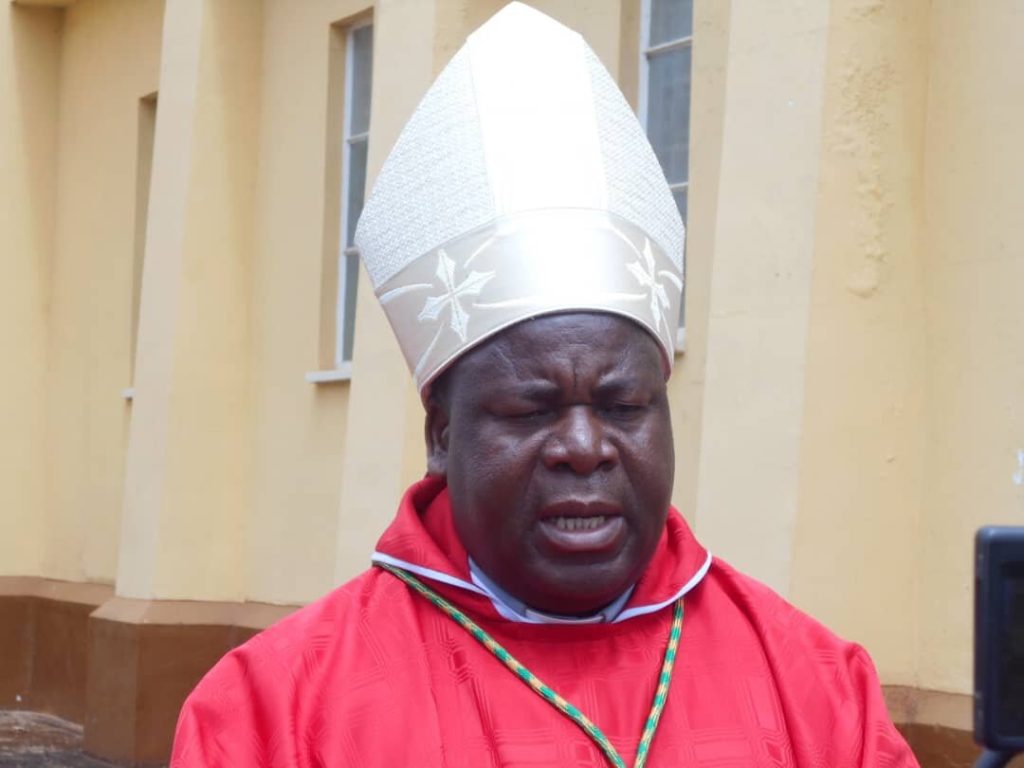
not rob people of the joy of
Christmas.| Wycliff Njiragoma
“People are cutting meals and sharing what little they have, but help is limited and not everyone is reached,” he said.
Churches and charitable organisations played a visible role in cushioning the hardship, with Christmas messages reflecting the realities of hunger and economic distress.
The Church of Central Africa Presbyterian Blantyre Synod general secretary the Reverend Anderson Juma said the church deliberately framed its Christmas message around lived experiences.
“The first Christmas itself was born out of hardship,” Juma said. “Jesus was born in poverty and uncertainty, so Christmas is not defined by abundance, but by God’s presence among those who are struggling.”
He said the church complemented preaching with food relief, community sharing and livelihood support initiatives.
Similarly, Bishop Alfred as a national priority. Grace Khumaro, a housing expert based at the Malawi University Mateyu Chaima of the Roman
Catholic Church’s Zomba Diocese said Christmas remains a source of hope despite challenges that threaten to overshadow its meaning.
He urged families to centre the season on prayer, fellowship and care for the vulnerable, including the elderly, the sick, widows and prisoners. Chaima said: “Difficulties should not rob people of the joy of
Christmas. “In fact, these challenges are why Christmas matters, because through Christ, people find hope.” The subdued festive season reflects inflationary pressures, stagnant incomes and repeated
shocks to food production, which have steadily eroded household purchasing power and turned festive traditions into unattainable luxuries. Yet amid hardship, communities found meaning in modest observances—gathering for worship, sharing limited food and leaning on social bonds that
have long sustained Malawians in difficult times. As the country moves past Christmas, the season has laid bare the depth of the cost-of-living crisis, leaving many families clinging not to abundance, but to resilience, faith and hope for better days ahead