Local seed manufacturer Renaissance Seeds has announced plans to scale up certified sesame seed distribution and support large-scale production to boost Malawi’s foreign exchange reserves.
Representatives of the company, which specialises in producing and marketing climate-smart certified seeds for legumes and cereals said sesame has shown potential as a commercial crop.
Speaking during a District Agriculture Extension Coordinating Committee in Mchinji on Wednesday, the company’s managing director Chimwemwe Josia, said the country needs to diversify the produce to narrow the foreign exchange earnings gap.
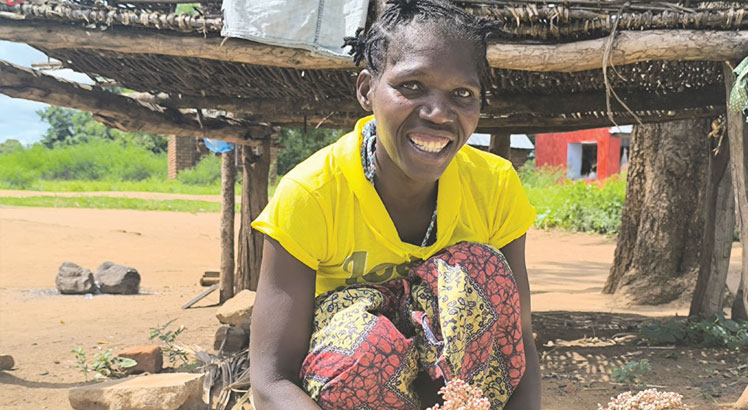
forex. | Chrispine msiska
He said: “Expanding sesame cultivation could provide farmers with reliable income while contributing to the country’s export earnings.
“Currently, Malawi relies on tobacco as the main cash crop, which is now not performing better on the market. Therefore, diversifying to sesame, soya beans and others is crucial now.”
Mchinji District Agriculture Extension Coordinating Committee chairperson Steven Chekecheke said with the coming in of Renaissance Seeds, yields and quality are expected to improve; hence, achieving food and income security in the district.
“Certified seeds are key in addressing risks of food deficits among farming households,” he said.
Chekecheke added that scaling sesame production could help diversify exports beyond traditional crops, reducing vulnerability to global price shocks and import dependency.
“While farmers are cultivating sesame, profits are high and in the long-run strengthen their daily economic livelihoods at the household level,” he said.
Meanwhile, Renaissance Seeds has since invited interested farmers and partners to engage at its GoJet Investment as its outlet partner for certified seed and agronomic advice.
Gojet Investment marketing manager Christopher Jaffu said they are committed to penetrating the rural areas of Mchinji to ensure that smallholder farmers have access to certified seeds within their localities.
“Limited access to certified seed has always pushed farmers to use recycled seeds which has affected their crop production,” he said.