
Malawi’s ambition to reduce inflation to around 15 percent and ease the policy rate to 18 percent may depend less on domestic policy—and more on developments beyond its borders.
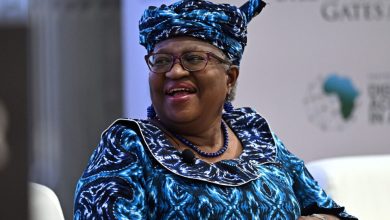
Economics Association of Malawi (Ecama) president Bertha Bangara-Chikadza says the country’s heavy reliance on imported fuel and fertiliser leaves it highly exposed to global shocks, making inflation partly a function of geopolitics.

“Malawi, being a landlocked country, is very exposed to global fuel and geopolitical shocks,” she said. “We are heavily dependent on imports such as fuel and fertiliser, so any shocks in the global economy quickly feed into domestic prices.”
Her assessment comes as the government has outlined a medium-term plan to ease inflation and borrowing costs.
Minister of Finance, Economic Planning and Decentralisation Joseph Mwanamvekha has previously said authorities are targeting inflation of about 15 percent and a policy rate of 18 percent as part of efforts to stabilise the economy and support growth.
However, Bangara-Chikadza warns that achieving these targets will depend on whether global conditions remain favourable.
“Reducing inflation and the policy rate to around 15 percent and 18 percent, respectively, while possible, is highly dependent on both global and domestic developments,” she said.
She noted that Malawi’s inflation is signif icantly “imported”, driven by global price movements in fuel and fertiliser, with domestic challenges such as weak fiscal discipline and weather shocks compounding the problem.
The global outlook, however, is showing early signs of easing pressure. International media reports indicate that oil prices have softened in recent weeks, with benchmarks such as Brent crude declining amid improved supply expectations and easing geopolitical tensions in key oil-producing regions.
Lower global fuel prices could provide relief for Malawi by reducing import costs and easing pressure on the exchange rate, which, in turn, would help slow inflation.
But analysts caution that these gains remain fragile. Any renewed tensions in major oil transit routes or supply disruptions could quickly reverse the trend, feeding back into higher domestic prices.
Bangara-Chikadza said sustained progress on inflation will require both favourable external conditions and disciplined domestic policy.
“Renewed geopolitical tensions or supply chain disruptions could quickly slow the disinflation process,” she said.
The Reserve Bank of Malawi has already signalled a cautious approach, balancing the need to support economic activity with the risk of persistent inflation driven by external shocks.