It is a cloudy Friday morning and the air at Mhlaba Ground in Embangweni, Traditional Authority Mzukuzuku in Mzimba District, exudes a scent of wet earth and renewal.
Overnight rains have softened the soil and clouds still hover lazily above the hills and villages.
The locals pour in, carrying hoes and tree seedlings. Schoolchildren sing as they walk, muzzling the chatter of adults.
At the centre of the gathering is Paramount Chief M’mbelwa V, dressed simply. He kneels down, digs a hole, carefully places a seedling into the ground and presses the soil firmly around its roots. He pauses briefly, then moves on to the next spot.
The Jere Ngoni paramount chief has done this several times over the past decade, making him a visible and vocal champion of tree-planting in the vast district where protected natural forests like Perekezi, Viphya and Chimaliro are under siege from illegal loggers and charcoal makers.
He has mobilised communities, encouraged schools and lent his authority to environmental campaigns. Yet despite all this effort, his message at Embangweni is not celebratory, but cautionary.
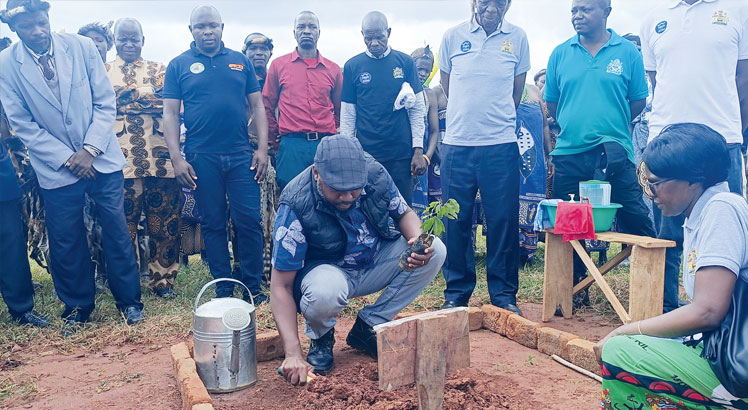
“Every year we plant trees,” he says, wiping soil from his hands. “But most lands still look bare. Where are the trees we plant? By now, we should have been surrounded by dense forests.”
Mmbelwa V’s words cut through the songs and speeches at the launch of the 2026/27 tree planting season by Mzimba district forestry office.
The ceremony follows the national forestry season launched in January amid growing concerns on whether this year’s seedlings will survive to replace the trees cut down by the rapidly growing population in the hunt for firewood, charcoal, building materials, farmland and money.
For M’mbelwa V, the problem is not population pressure, but a mindset of quick gains.
“We need to make Malawi green again by planting more trees and taking good care of the trees we plant. That’s the only way of replenishing our tree cover. Planting without caring is like pouring water into a basket,” he says.
The traditional leader urges Malawians to protect trees from familiar threats: bush fires, livestock on free range and communities that fell trees before they mature.
Ironically, the trees often planted with enthusiasm during the rainy season become forgotten in dry months.
Mzimba senior forestry officer Masozi Shaba says trees in the district “are disappearing faster than they can grow as “most people depend on charcoal and firewood for their livelihoods and energy needs”.
Currently Perekezi and Viphya forest reserves have been hugely encroached and plundered.
“As district, we have planned to plant seven million trees this year to compensate for the loss,” Shaba says. “However, the survival of these trees is our biggest challenge. If communities do not own these trees, we will plant in vain.”
According to Shaba, Mzimba planted over four million trees last year, but just about half survived.
Ripple Africa country director Force Ngwira says restoring forests requires patience and long-term commitment.
“Ours is a 40-year project, so we are here to work closely with communities and authorities in conserving forests and trees. We will not relent.”
Ripple Africa supports communities to establish tree nurseries, allow forest regenerate and sustainable natural resource management trainings.
Ngwira says community leadership is crucial because “when chiefs lead by example, people listen and conservation becomes a shared responsibility.”
Children, too, have a stake in safeguarding trees.
Steve Theu, a Standard Five pupil from Vibangalala Primary School, says trees are central to a fulfilling learning experience.
“We sometimes learn in tree shades because we do not have enough classrooms and they cools down the world around us,” he says.
Science shows that trees refresh the air humanity breathes and cool the planet which is increasingly becoming warmer and more populated amid climate change.
Environmentalists warn that continued deforestation worsens soil erosion, disrupts rainfall patterns and reduces agricultural productivity.
In communities where most people depend on farming, the consequences could be severe.
In Mzimba, Malawi’s largest district, these realities are common as survival and sustainability become a delicate balance.
As the sun nourishes rows of newly-planted seedlings, Paramount Chief M’mbelwa V looks across the field with pensiveness, hope and a humble request.
“If we change our mindset and protect these trees, our land can recover. But if we continue to plant and forget, we are only deceiving ourselves.”