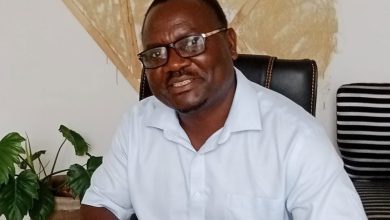
The Leadership Institute for Transparency and Accountability (Lita) recently raised the alarm for various sectors of society in the country and beyond to join hands in responding to the plight of immigrants, especially Malawians, being subjected to xenophobic attacks in South Africa. Our Staff Writer MICHAEL MMEYA caught up with Lita executive director GOODWELL LOGEYA for insights on the emotive highly emotive matter.
Q1What is your take on the human rights status regarding the alleged illegal immigrants in South Africa?
A1The current situation in South Africa calls for wisdom, compassion, and leadership. While states have the right to regulate immigration, human dignity must never be sacrificed. The protection of migrants, the promotion of lawful migration, and the strengthening of regional cooperation remain essential for a peaceful and prosperous Africa. An injury to the dignity of one African is ultimately an injury to the dignity of all Africans. At the thrust of the whole matter, we ought to understand that every human being possesses inherent dignity and fundamental rights regardless of their immigration status. While states have the sovereign right to regulate immigration and enforce their laws, undocumented migrants must still be treated humanely and in accordance with national, regional, and international human rights standards. If individuals are found to be residing in South Africa unlawfully, due legal processes should be followed. They should not be subjected to vigilante justice, xenophobic attacks, arbitrary violence, or collective punishment. The rule of law must prevail over mob action. Human rights are universal and do not cease to exist because a person lacks immigration documentation.
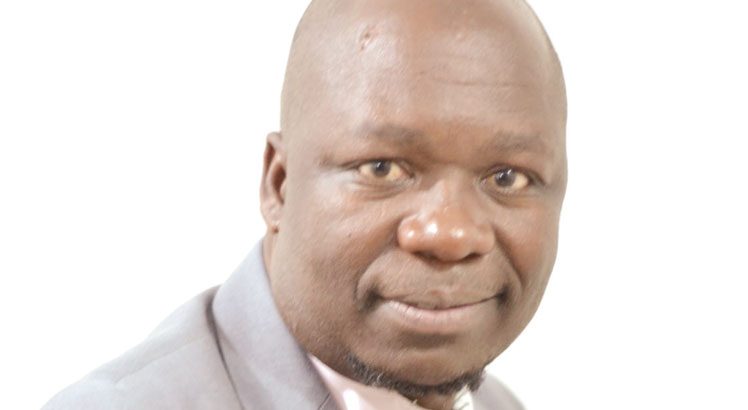
Q2What is Lita’s responsibility during these turbulent times?
A2Our primary responsibility is to advocate for the protection of human dignity, constitutionalism, accountability, and the rule of law. We believe that every Malawian citizen deserves protection wherever they are. At this time, we raise awareness on the rights of migrants and refugees; encourage peaceful and lawful responses to migration challenges; monitor human rights developments affecting Malawians abroad; engage relevant authorities to ensure the safety and welfare of affected citizens and, also, promotes regional dialogue and African solidarity.
Q3Is civil society being sufficiently proactive when the rights of many Malawians are under threat?
A3Civil society has a moral obligation to be proactive whenever human rights are threatened, whether the violations occur within Malawi or beyond its borders. This is a moment that requires coordinated action among human rights organisations, faith-based institutions, diaspora groups, legal aid providers, and government agencies. Civil society should be documenting incidents, providing legal and psychosocial support, engaging diplomatic channels, and advocating for the protection of affected communities. Human rights advocacy must remain consistent and principled regardless of political considerations. Human rights organisations must act as voices of reason, ensuring that emotions do not override justice and human dignity.
Q4How do you assess the responsiveness of the Malawian Government?
A4The Government of Malawi deserves recognition for responding through diplomatic and consular channels and for announcing a voluntary repatriation programme for citizens who wish to return home. This demonstrates an acknowledgement of the state’s duty to protect its nationals abroad. However, responsiveness should not end with repatriation. Government efforts should also include sustained diplomatic engagement with South African authorities, protection of Malawians who choose to remain in South Africa, and reintegration support for those who return home. The effectiveness of the response will ultimately be measured not only by transportation arrangements but by the safety and welfare of affected citizens.
Q5What is the most desirable solution to the problem regarding undocumented immigrants in South Africa?
A5The most sustainable solution is neither violence nor mass expulsions. The solution lies in a balanced approach that combines respect for the rule of law with respect for human rights. Governments should strengthen lawful migration systems, improve border management, regularise eligible migrants, combat human trafficking networks, and promote regional economic cooperation. At the same time, authorities must address the socio-economic frustrations that often fuel xenophobic sentiments. The objective should be orderly, lawful, and humane migration management that protects both host communities and migrants.
Q6Is bringing Malawians home a sustainable solution?
A6Repatriation may provide immediate protection for individuals facing imminent danger, but it should not be viewed as a complete or long-term solution. Many Malawians migrated because of economic hardship, limited employment opportunities, or the desire to support their families. Unless the underlying causes that drive migration are addressed, many returnees may eventually seek opportunities elsewhere again. A sustainable solution requires economic development, job creation, skills development, entrepreneurship support, and regional cooperation. Repatriation should therefore be accompanied by comprehensive reintegration programmes that enable returnees to rebuild their lives with dignity and hope.