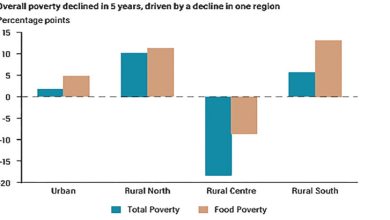
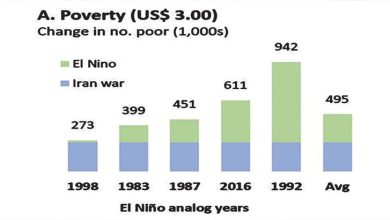
Mwapata Institute has urged authorities to swiftly find ways of building resilience to cyclone-induced economic shocks, saying such natural disasters are derailing the country’s economic growth.
In its study, Mwapata Institute observed that in recent years, frequent cyclones such as Idai, Ana, Gombe and Freddy have inflicted heavy losses to the country’s economy with gross domestic product growth rate slowing to below three percent during the period.
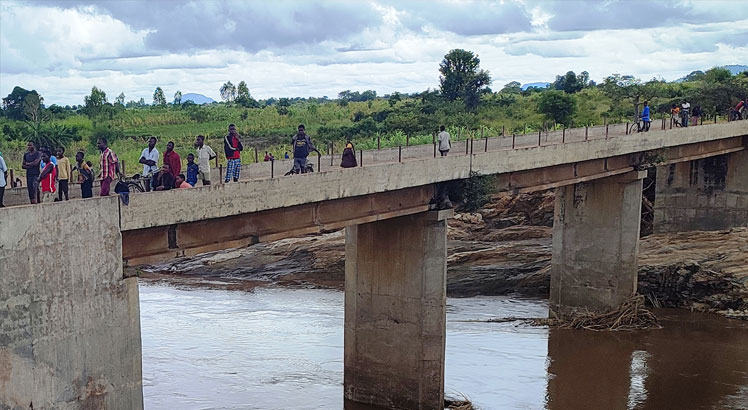
The study suggests the recent spike in extreme storm events is an unfortunate coincidence, but the persistence of a trend will continue in the future.
Reads the study in part: “Action could be taken to mitigate the actual damage caused by these events.
“For example, most damage from major storms is caused by flooding, which could be reduced through flood-resilient investments in water drainage and catchment infrastructure. “
Economics Association of Malawi president Bertha Bangara Chikadza said in an interview on Thursday that it is possible for policymakers to model these climatic shocks in a system that would detect the disasters before their occurrences, assess the scale and limit the impacts.
“In our modelling, we also need to understand the impact of climate change effects and by understanding the impact, we will be able to create solutions to bring the required results,” she said.
Lilongwe University of Agriculture and Natural Resources lecturer Steven Makungwa urged Malawi to strengthen its capacity to secure and effectively utilise the climate finance funding opportunity to which countries agreed last week in Azerbaijan.
He urged authorities to equip agencies with technical skills necessary to develop compelling proposals and manage international funding.
At the 29th United Nations Conference of Parties (CoP29) on Climate Change in Azerbaijan, delegates agreed to triple annual climate funding for developing countries, including Malawi from $100 billion (about K175 trillion) to $300 billion (about K525 trillion), with plans to increase the funding to $1.3 trillion by 2035.