The recent, escalating wave of anti-immigrant sentiment and violence in South Africa has resulted in thousands of Malawians fleeing their homes. While the tragedy demands diplomatic attention, Malawians must stop self-pitying and blaming others for their plight. The root of the exodus is a struggling local economy, and the long-term solution lies in fixing conditions at home.
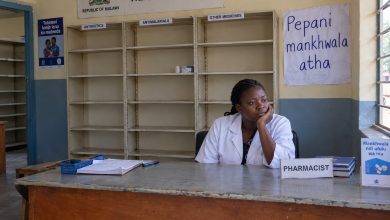
To begin with, no sane parent back home in the Warm Heart of Africa prays for their child to endure the perilous, illegal, and downright suicidal trek down south to the so-called Rainbow Nation. People are not flocking to South Africa for leisure, pleasure, or an extended holiday in the shadow of Table Mountain. They go because the local economy provides absolutely nothing for them to eat.
They become economic refugees, willing to endure the unspeakable hardships of uncharted routes and predatory cartels, all for the dream of landing a menial job. Why? It’s because not even such menial jobs are available in Malawi. When we complain about being displaced, we must ask ourselves a bitter, hard truth: what exactly did we leave behind that makes being hunted in Johannesburg, Durban and Cape Town, seem like the better option?
As we sit in our comfortable outrage—demanding that local South African groups like Operation Dudula suddenly develop an overflowing cup of brotherly consideration—we must also look through the other end of the telescope. South Africa is currently grappling with skyrocketing unemployment and failing public infrastructure.
While the violence, vigilantism, and intimidation are unequivocally tragic and wrong, the socioeconomic anxiety of the ordinary South African citizen is not born out of thin air. When local populations feel the agonising pinch of poverty, their misplaced anger often boils over onto foreign nationals trapping the vulnerable in a zero-sum struggle over scarce economic opportunities.
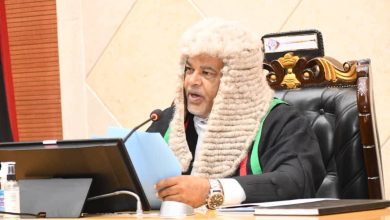
Let’s look at our own government, which is suddenly scrambling to send fleets of donor-funded buses to repatriate citizens who are fleeing the xenophobic violence. It’s a noble fire-fighting exercise, but let’s be honest about the hypocrisy. Our leaders will comfortably sit in air-conditioned boardrooms, sipping tea, and express shock at the latest attacks on foreign nationals in South Africa. Yet, they have systematically failed to create the local conditions that would arrest or even reduce this desperate exodus in the first place.
If we spent half as much energy, resources, and political will on building a thriving industrial base, reliable agricultural systems, and tangible job-creation programmes locally, nobody would have to cross international borders to sweep yards and wash plates in a foreign country. Our leaders should stop acting like surprised bystanders in a script they helped write.
It is deeply hypocritical for the Malawi Government to cry foul over xenophobic violence abroad when it turns a blind eye to the rampant corruption bleeding the nation dry at home.
Our leaders shed crocodile tears about Malawians fleeing desperate, poverty-stricken conditions, yet ignore how systemic looting has cost the country trillions of kwacha. These lost funds could easily bankroll local job-creation programmes. Instead, we are left performing remarkable financial gymnastics, generously dedicating nearly half of our domestic revenue to servicing public debt.
Perhaps politicians assume the Reserve Bank of Malawi acts as a slush fund for overseas junkets and government salaries. We desperately need every kwacha squeezed from struggling citizens to actually yield public benefits. It is time for genuine economic leadership rather than treating the national treasury like a personal wallet.
As this massive, organised, and government-led repatriation process unfolds, with thousands of undocumented Malawians voluntarily returning home, the only plea we can reasonably make to the South African authorities is simple: manage this process with a modicum of humanity.
We can tolerate the mass departures, the end of foreign dreams, and the harsh realities of immigration enforcement. But we absolutely draw the line at the loss of innocent human life. The Malawian government and its international partners are demanding dignity for these returnees, and that is the absolute bare minimum we can expect. Let our people come home, but let them return breathing, walking, and with their human dignity intact.