The Department of Museums and Monuments has submitted the Khulubvi and Associated M’bona Sacred Rain Shrines in Nsanje and Chikwawa to Unesco for consideration as World Heritage Sites.
This is the country’s second nomination after the inscription of Mount Mulanje Cultural Landscape last year.
The department’s director Lovemore Mazibuko officially submitted the nomination to Unesco headquarters in Paris, France.
In an interview, Museums and Monuments deputy director Potiphar Kaliba said the selection of the shrines was based on their outstanding cultural value and their continued relevance as living heritage sites.
“Khulubvi is one site that is culturally rich, looking at its history and all the issues that unfold at the site. This heritage is unique for its universal value,” he said.
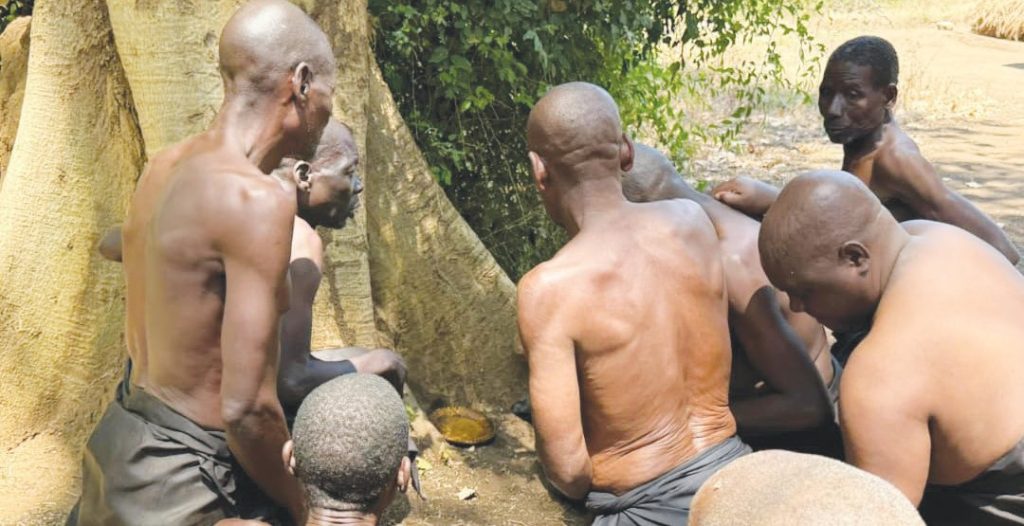
The sites, located in Nsanje and Chikwawa in the Shire Valley, are culturally and spiritually significant to the Mang’anja people and are linked to M’bona cult, one of the region’s oldest religious traditions.
For centuries, these sites have been used for rain-making ceremonies, community rituals and spiritual guidance.
Kaliba said beyond international recognition, the nomination is about strengthening conservation efforts of the heritage sites while also promoting tourism and enhancing local appreciation.
He said: “This process helps to place heritage on the global map and at the centre of tourism development, as such, the sites can attract visitors to the country to appreciate them, thereby contributing to foreign exchange earnings.”
“At the same time, it is one way of promoting greater appreciation and ownership of these sites among local communities,” he said.
Kaliba said the department is working closely with communities in Nsanje and parts of Chikwawa to ensure that they are fully informed and involved.
“We have obtained their consent,” he said.
In a separate interview, Traditional Authority (T/A) Ngabu of Nsanje said the community believes that being listed as a World Heritage site will promote Khulubvi heritage and allow more people to learn about it.
“If we are listed, I believe it will be a boost to the community as it will help preserve our history and ensure the site is protected and developed,” he said.
The chief said while recognition is important, the community also will want the site to have its own offices and structures to make it more functional while keep a database of visitors.
T/A Ngabu appealed to government and stakeholders to support these developments to ensure the local community benefits from the site.
Unesco will conduct a technical evaluation of the nomination, which includes expert assessments and possible field visits before a final decision is made.
If successful, the listing is expected to enhance conservation efforts, raise Malawi’s cultural profile globally and generate long-term benefits for local communities.