The Public Affairs Committee (PAC) has urged government to tread carefully on issues surrounding the Amaryllis Hotel purchase and developments involving First Vice-President Jane Ansah.
The quasi-religious body issued a statement on Wednesday advising government to allow justice to prevail in investigations into the hotel. It also advised Ansah not to resign, even if rumours that there have been calls for her to resign were true.
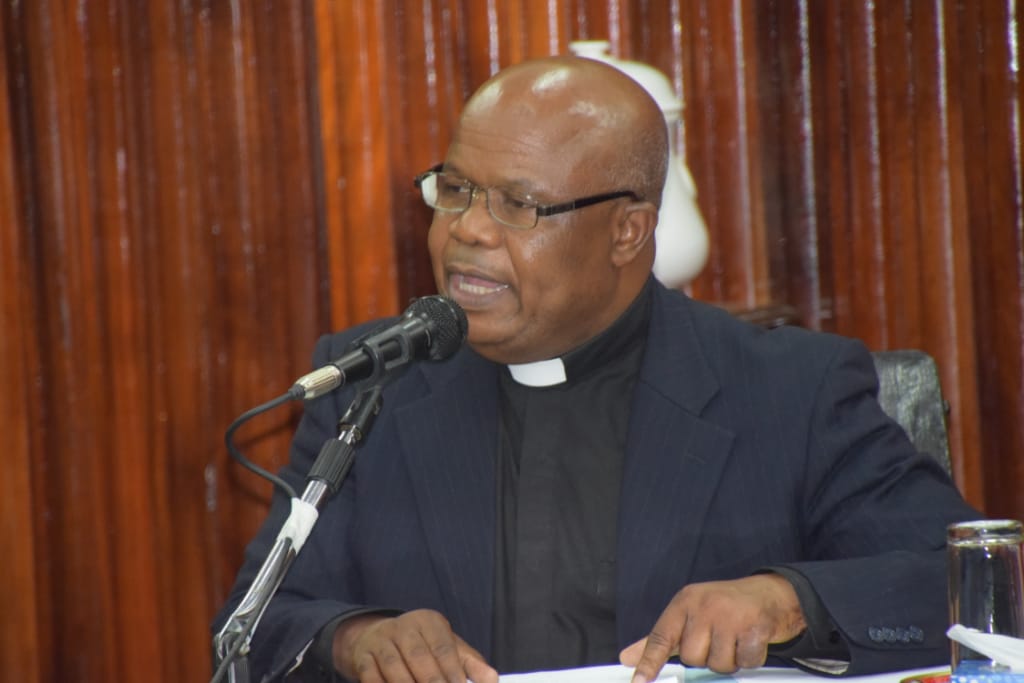
In a statement signed by PAC chairperson Monsignor Patrick Thawale and publicity secretary Gilford Matonga, the committee said Ansah should remain steadfast in carrying out the duties of her office.
Reads the statement: “We commend Parliament for instituting an inquiry on the Amaryllis hotel sale. As regards the leadership approach, swift decisions have been made in some areas giving Malawians a ray of hope.
However, the Amaryllis hotel saga and developments on the First Vice President’s office could serve a turning point in the current administration especially where mistrust seem to have been entrenched.”
PAC has also advised the government to find “balanced solutions” to the current economic situation, which is compounded by rising fuel prices, in order to avert public dissatisfaction.
However, PAC commended the current administration’s leadership for stabilising commodity prices, ensuring the availability of fuel, and reducing the prices of maize and cement.
Government spokesperson Shadric Namalomba asked for time to review the four-page statement before commenting but had not done so by press time.
Earlier this week, Chief Secretary Justin Saidi dismissed speculation that President Peter Mutharika had asked Ansah to resign.
Meanwhile, governance and human rights advocate Undule Mwakasungula said while there have been some positive signs, the recent rise in fuel prices is putting pressure on the daily survival of Malawians.
On his part, Centre for Social Concern, Accountability and Transparency executive director Willy Kambwandira said PAC’s observations are valid but risk being dangerously complacent if not grounded in lived economic realities.