For many young Malawians poetry is more than an art form. It is a voice for the unheard, a platform for difficult conversations and for some a refuge from the pressures of everyday life.
When spoken word artist Taonga Jeka first began writing her poems, she was not thinking about audiences, applause or recognition. She was simply trying to find a way to cope.
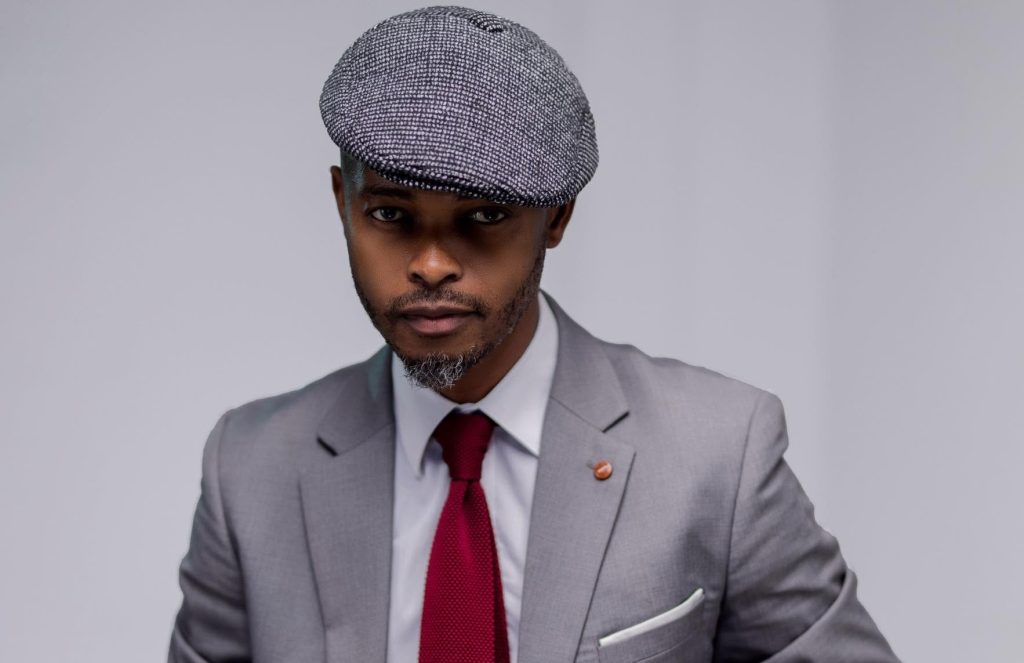
“Whenever I felt down or stressed, I would express myself through writing and then I would be okay,” she said.
What started as a personal outlet has evolved into a passion that now allows her to engage audiences on issues ranging from mental health and environmental conservation to African heritage and unity.
Jeka belongs to a growing community of young poets who are increasingly using spoken word to challenge perceptions, inspire change and celebrate culture. Across the country open mic sessions, poetry festivals and digital platforms are creating spaces where young creatives can share their stories and perspectives.
Yet despite the growing interest, many practitioners say poetry remains one of Malawi’s most overlooked art forms.
According to poet and arts promoter Chifundo Chikonga, popularly known as Fundo, participation in poetry activities has risen significantly over the years.
“There is a rise in the number of young poets and attendance at poetry events. Many are embracing poetry as a tool for communication,” he said.
Chikonga said poetry spaces have become safe platforms where young people can openly discuss their experiences, emotions and concerns.
“The open mic sessions give young people an opportunity to share their thoughts, experiences and perspectives in a supportive environment,” he said.
For Jeka, the impact goes beyond artistic expression. Poetry has helped her connect with people and confidently communicate ideas that matter to her.
“Poetry has helped me express my views and connect with different audiences. It has given me platforms to perform and share my message,” she said.
The themes explored by many young poets reflect contemporary realities. Mental health awareness, environmental protection, peace, love and African identity frequently dominate performances.
However, while audiences are growing, the industry continues to face significant hurdles.
Funding remains one of the biggest obstacles. Most poetry events rely on limited resources while sponsorship opportunities remain scarce.
Konga said that the corporate sector has yet to fully appreciate the value of poetry as a development and entertainment tool.
“Limited funding is one of our major challenges because the corporate world is yet to embrace poetry events for business partnerships,” he said.
Beyond financial constraints, poets also struggle with lack of performance spaces, limited access to equipment and a widespread perception that poetry is inferior to music.
Jeka said that many poets feel marginalised within the broader entertainment industry.
“Most people value music more than poetry. Poetry is underrated and sometimes we are looked down upon,” she said.
Veteran poet and writer Benedicto Okoma Atani Malunga acknowledges that poetry has gained visibility, particularly through vernacular performances aired on radio and television stations.
However, he believes aspiring poets must invest more time in perfecting their craft.
Malunga argues that impactful poetry requires patience, discipline and a deep understanding of the issues being addressed.
“A good writer writes because he has something important to share. Fame comes on its own when you produce works of impact,” he said.
Malunga further notes that poetry has historically played an important role in influencing social change.
From HIV and Aids awareness campaigns to climate change advocacy and cultural preservation, poetry has served as both a teaching tool and a mirror reflecting society’s realities.
As the creative industry continues to evolve, stakeholders believe poetry can occupy a more prominent position if supported by government, media institutions and the private sector.
Chikonga wants media houses to dedicate more airtime to poets and poetry programmes. He also advocates stronger investment in festivals, competitions and mentorship initiatives.
And as more young voices step onto the stage with poems about identity, mental health, culture and hope, the art form is steadily proving that its power lies not in the size of the audience, but in the depth of the message.